For many manufacturers, end-of-line packaging plays a crucial role in the production process. This stage—where products are sealed in secondary packaging like corrugated cartons— serves as a first line of defense to ensure goods arrive at their destination in excellent, saleable condition.
Across industries, end-of-line packaging varies in approach. Some manufacturers still rely on manual labor for tasks like picking and packing. Others have moved toward automation to improve efficiency by enhancing uptime, reducing labor costs and minimizing material waste. This shift includes automating everything from case forming and packing to sealing and palletizing.
Here, we’ll focus on case taping and sealing—a small but crucial function of the overall end-of-line packaging system—and how folding the edge of the tape during application can enhance the seal’s reliability, the line’s productivity and the safety of those opening the cartons.
The Complexities of Case Taping
The carton sealing process might seem straightforward: cartons go in, tape is applied and the sealed cartons are palletized for transport or storage. However, the reality is more complex.
Packaging components like the packaging machine, corrugated box, tape dispenser and packaging tape must work in harmony to ensure cartons are securely closed, keeping products safe.
Several factors can impact the tape’s adhesion to the carton. Environmental conditions like dust, dirt, humidity and cold temperatures can affect the packaging tape’s performance, as can the state of the carton surface. Issues like tape stretch or breakage, caused by misadjusted tape applicators, high-speed operations or poor unwind characteristics, can compromise the seal’s reliability and disrupt the packaging operation.
Tape Stretch: Costly Failures
Think about a rubber band: it stretches around items, but when removed, it tries to return to its original shape. Package sealing tape behaves similarly. When the tape is unwound and applied to the carton, the elastic properties of the polypropylene film backing can cause it to retract if overstretched during application. This added stress can lead to the tape popping off, causing the carton to open and exposing products to damage. Such failure leads to costly reworks and increased downtime if the case reaches an automated palletizer.
Excessive tension from a tightly adjusted tape applicator, high-speed operations or using tapes with high unwind characteristics often causes overstretching. This can lead to tape failures like flagging and lifting, especially with acrylic tapes, due to their adhesive’s tendency to flow out under stress. Proper pressure is critical to ensure the adhesive bonds well with the carton, reducing the risk of the tape releasing under stress.
Tape Breakage: Process Disruptions
Tape breakage is another issue that can disrupt the box sealing process. Breakages typically occur within the automated tape head as the tape goes around the rollers, leading to missed seals, machine downtime and material waste. Unfortunately, tape is prone to breakage due to microscopic nicks in the tape edges formed during the manufacturing process. These nicks can break under high tension from a poorly adjusted tape head, high-speed operations or high force unwind from heavy-duty shipping packaging tape rolls.
Safety and Satisfaction with Folded Edge® Technology
Achieving the perfect balance between tape applicator and package sealing tape might seem challenging, but the savings and performance benefits are significant. So, what’s the next step? Increase system reliability.
Modern case sealing technology has come a long way, with new innovations like faster tape application, adjustable tab lengths, easy tape roll changeovers and the ability to fold the tape edge during application. Folding the tape edge makes the tape and seal more forgiving, allowing for equipment errors and adding strength to the tape.
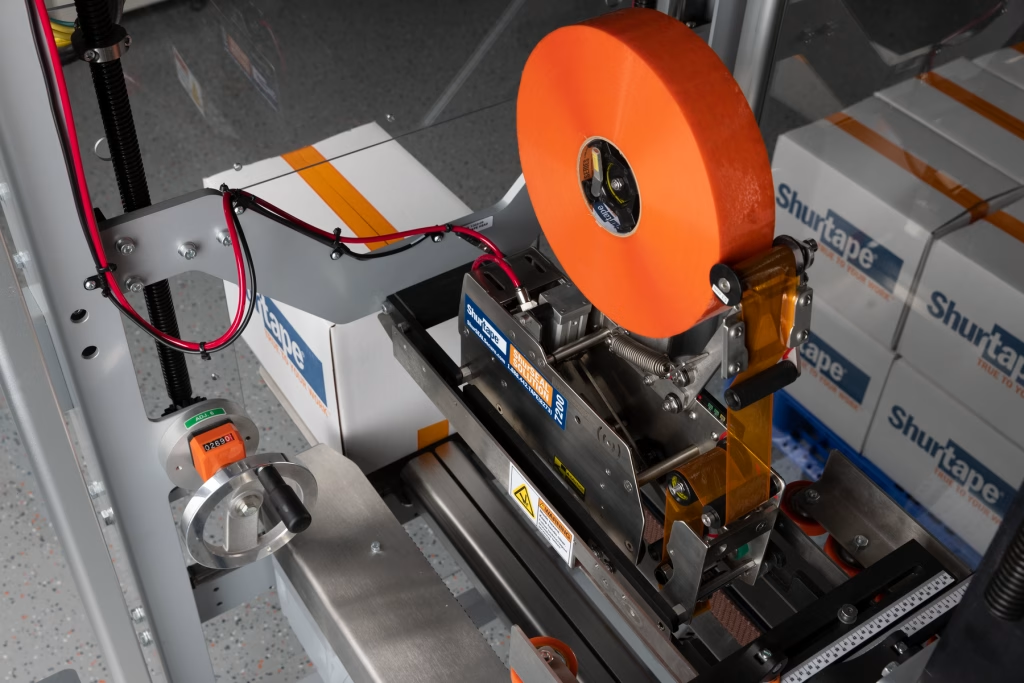
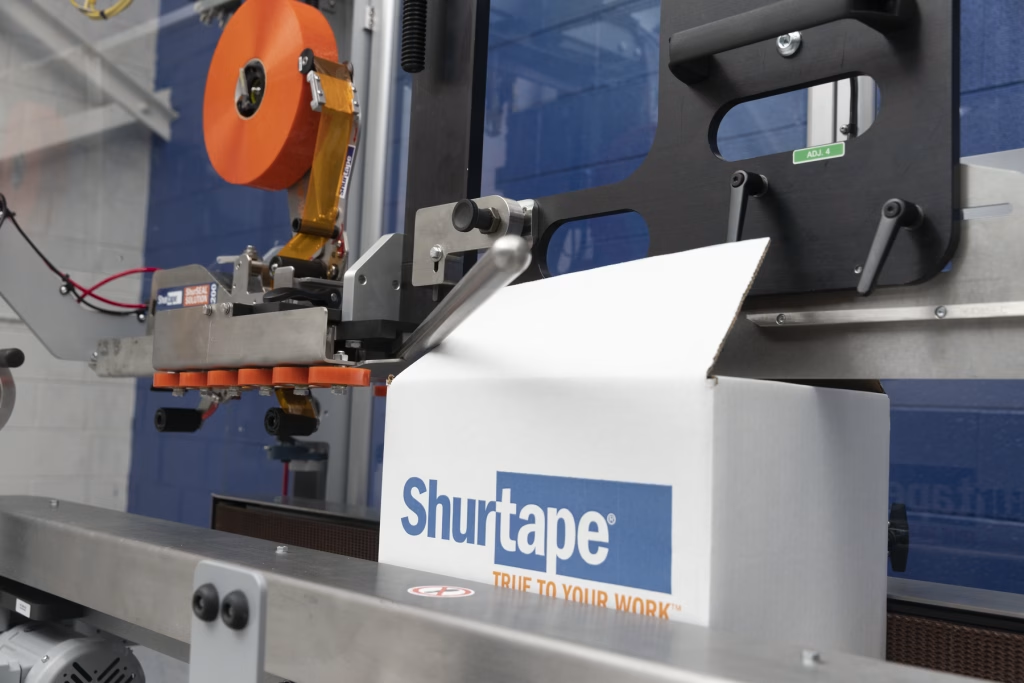
Let’s take a closer look at Folded Edge® Technology, a key feature of Shurtape’s ShurSEAL® automated case taping system. This patented attachment folds the tape edges from 1 mm to 3 mm as the tape is applied, addressing potential issues during application and resulting in better consistency, higher productivity and stronger, more reliable seals.
Why Fold the Edge?
Folding the tape edges essentially doubles their thickness, creating a more uniform and stronger edge. This improves the seal’s reliability, boosts productivity in the case packing process and makes tape removal safer for those unpacking the cartons.
Strengthen Your Seal Security
The expectation is that the case seal will withstand rough handling and the rigors of the supply chain to ensure contents arrive intact. The folded edge on the tape strengthens the seal, especially at the vulnerable points where the major flaps meet the carton sides. This added strength reduces the risk of tape breakage, providing an extra layer of security to keep products safe from damage, contamination and theft.
In some cases, folding the edge even allows users to down-gauge tape grades. By combining ShurSEAL’s Folded Edge® Technology with the system’s superior wipe-down force, users may opt for a lower-grade tape while still achieving the same or better seal performance.
Accelerate Your Production Line
Tension during tape application can lead to inefficiencies like downtime, reworks and material waste. Poorly adjusted equipment, high line speeds and smaller rolls can intensify this stress. Folded Edge® Technology helps the tape handle more stress, allowing it to process faster and more effectively.
Tape stretch can also cause problems, especially if overstretching occurs during application. The folded tape edge reduces the potential for stretching, minimizing stress on the adhesive and lowering the risk of flagging or lifting. Additionally, the microscopic nicks created during manufacturing are eliminated, resulting in more uptime, fewer breakouts and less material waste—especially with a tape that runs well to the core.
Protect Your Products and Your People
Folded Edge® Technology enhances both the packaging operation and the safety of those handling the cartons. Using a knife or box cutter to open cartons can lead to product damage and personal injury, both of which carry substantial costs.
Damaged products are often unsaleable, costing consumer packaged goods manufacturers an estimated $15 billion annually—1 to 2 percent of gross sales—according to the Grocery Manufacturers Association and Food Marketing Institute. This loss is so common that many businesses factor return and damage allowances into their purchase orders.
In addition, injuries from using sharp tools during unpacking can be costly. The Occupational Safety and Health Administration (OSHA) estimates that direct and indirect costs related to cuts and lacerations can exceed $35,000 per incident.
Eliminating the need for knives in the unpacking process is a crucial preventive measure. Folded Edge® Technology creates a secure, ready-to-open seal that doesn’t require a knife or any other sharp tool. The dry, non-stick edge allows the tape to be removed by hand, significantly reducing the risk of product damage and worker injury.
Available exclusively with ShurSEAL Packaging Solutions, Folded Edge® Technology not only delivers a strong and reliable box sealing solution but also ensures peak production by keeping the packaging operation running smoothly. It enhances safety with an easy-to-open seal that allows you to go knifeless.
Learn more about Folded Edge® Technology, available through ShurSEAL Packaging Solutions, by calling (888) 442-TAPE or visiting our website.