
Abatement
How are duct tapes used in abatement?
Learn how duct tape is used in abatement applications to help create temporary containment systems, secure poly sheeting, and support cleanup and restoration work on rugged surfaces where quick adhesion and durability are essential for jobsite efficiency.
By: Team Tape University®
Sort By:

How do containment systems prevent the spread of bacteria and viruses?
November 20, 2019
Discover how containment systems help limit the spread of contaminants in controlled environments and how proper sealing solutions support cleaner, safer conditions during construction and renovation work.
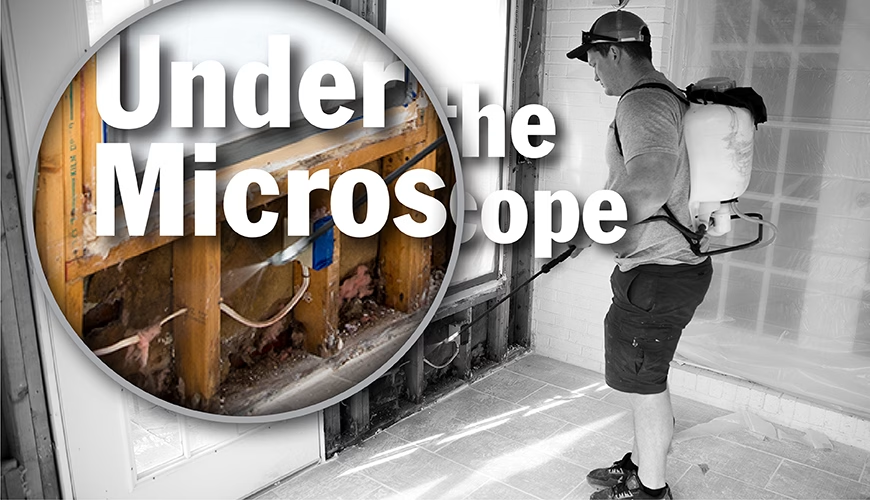
What are the consequences of spreading dust during hospital remediation jobs?
November 27, 2018
We’ve reached the end of our Under the Microscope series – and today’s topic may be one of the least taken seriously despite posing a threat severe enough to be deadly. When you think of hospitals and other healthcare centers, “dusty” probably isn’t a word that you would use to describe the image. On the…
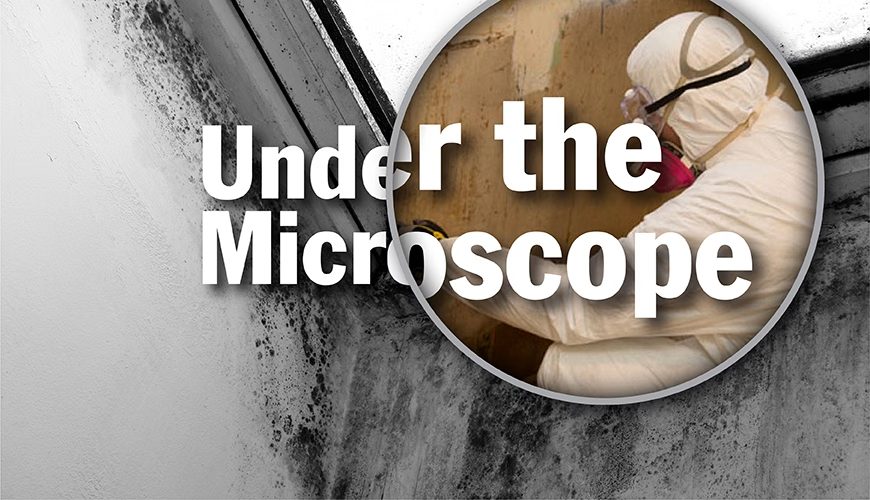
How do airtight containment systems prevent mold borne illness?
November 13, 2018
Most of us have come in contact with mold at some point in time – whether you’ve uncovered it in a corner in your house or had to toss a loaf of bread that was starting to go bad – mold can crop up almost anywhere. Mold has a few requirements to grow: Mold Spores…

Why are airtight containment systems critical in hospital abatement and remediation jobs?
November 6, 2018
We’ve talked a lot about the importance of airtight barriers for abatement at Tape University®, but this month we’re going to dive deeper and take a closer look at the real-life hazards that go unseen. Things like microorganisms, dust particles and airborne mold – things that often go ignored because they can only be seen…
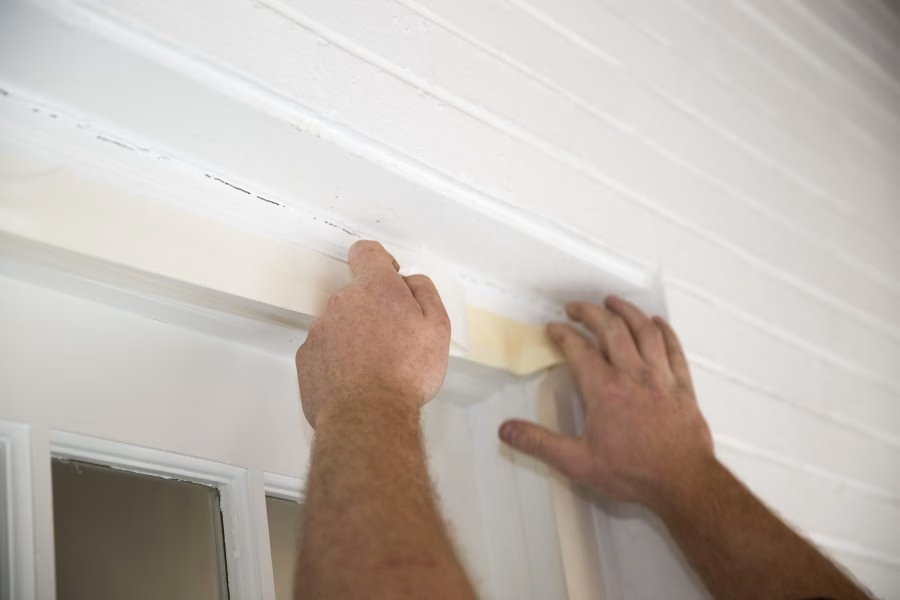
What are the benefits of double-sided abatement tape?
September 17, 2018
Double-sided abatement tape was created with the intention of simplifying the containment building process during abatement and remediation jobs. As opposed to the traditional two-step containment building process using a painter’s tape and a duct tape, it eliminates the hassle of having to use two different kinds of tape, saving you time and money in…
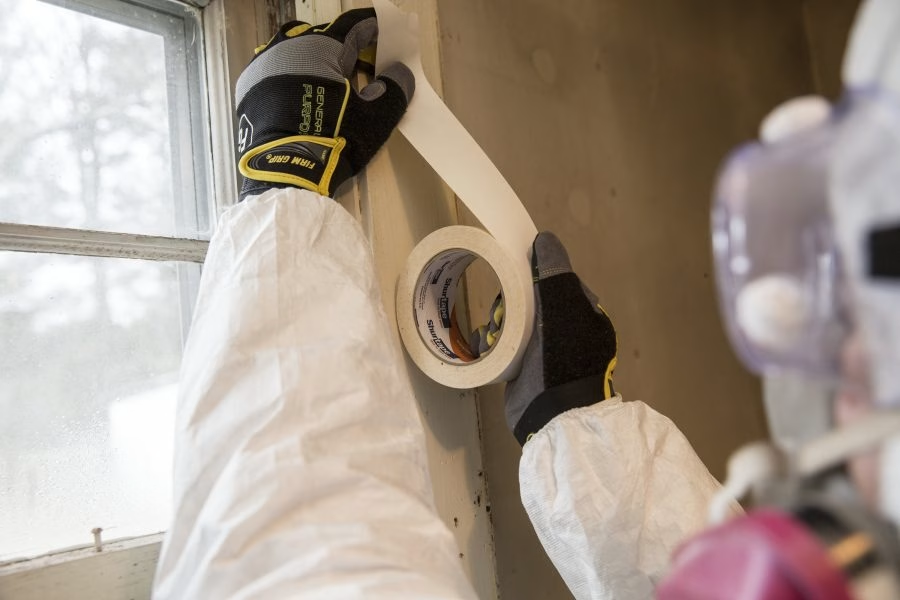
5 Things to Consider When Choosing an Abatement Tape
July 20, 2018
In abatement and remediation projects, building an airtight containment system is critical to prevent the spread of contaminants – things like mold, asbestos, soot, and other harmful pollutants – to other areas beyond the work site. Using the right tapes for the job at hand is essential to not only completing the job efficiently, but…
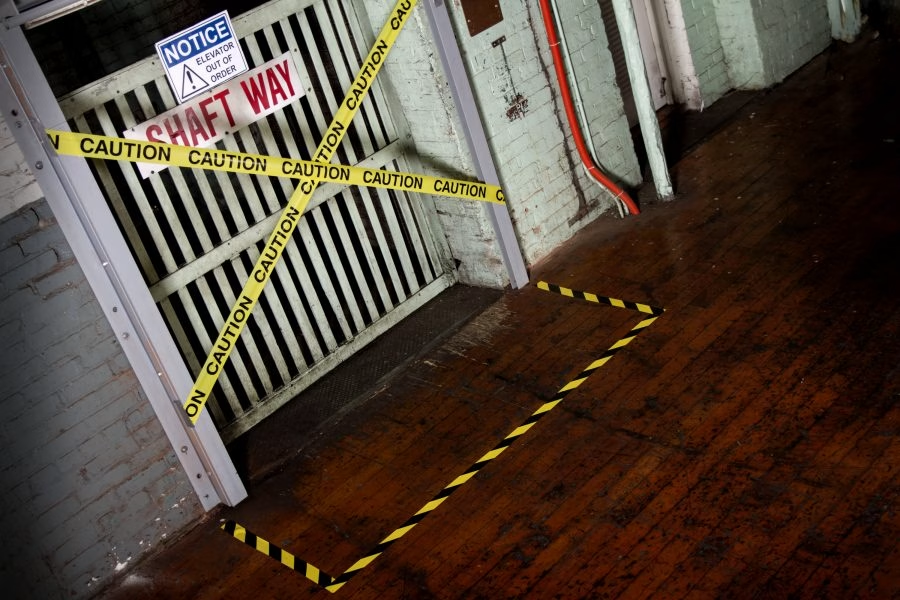
How are barricade tapes used to promote safety?
June 26, 2018
5,190 workers were killed on the job in 2016 – that’s more than 14 deaths a day.* Barricade tapes such as caution, danger, and lead hazard tapes are used to communicate warnings and manage access to work sites and hazardous areas to promote safety. These non-adhesive, brightly colored tapes are designed to catch your attention…
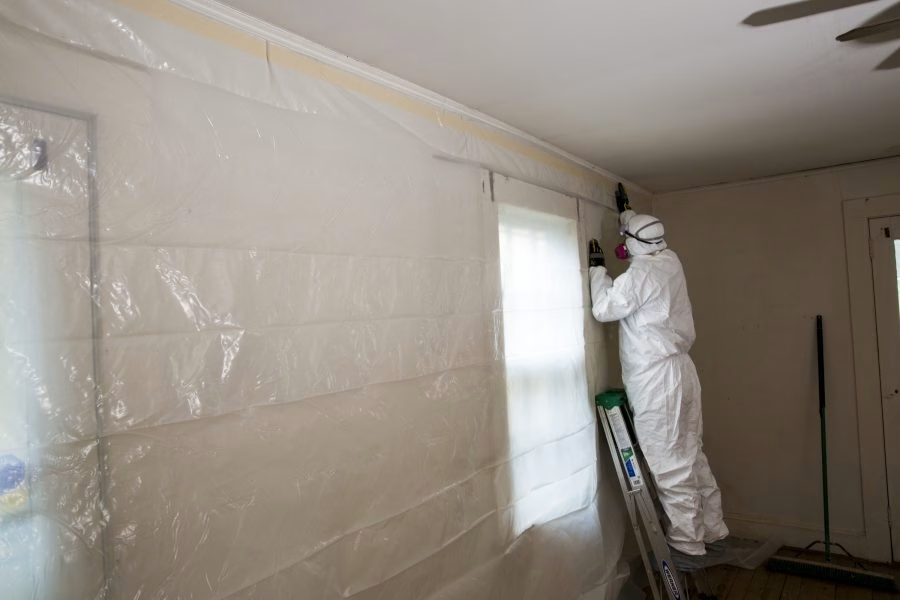
What are the consequences of abatement tape failure?
May 18, 2018
Abatement jobs typically involve working around hazardous or harmful materials – things like mold, asbestos, and potent chemicals. Each of these can easily become airborne while abatement is being done, posing the risk of illness to anyone who breathes in particles. This is where building an airtight containment is crucial! Professionals in abatement know to…
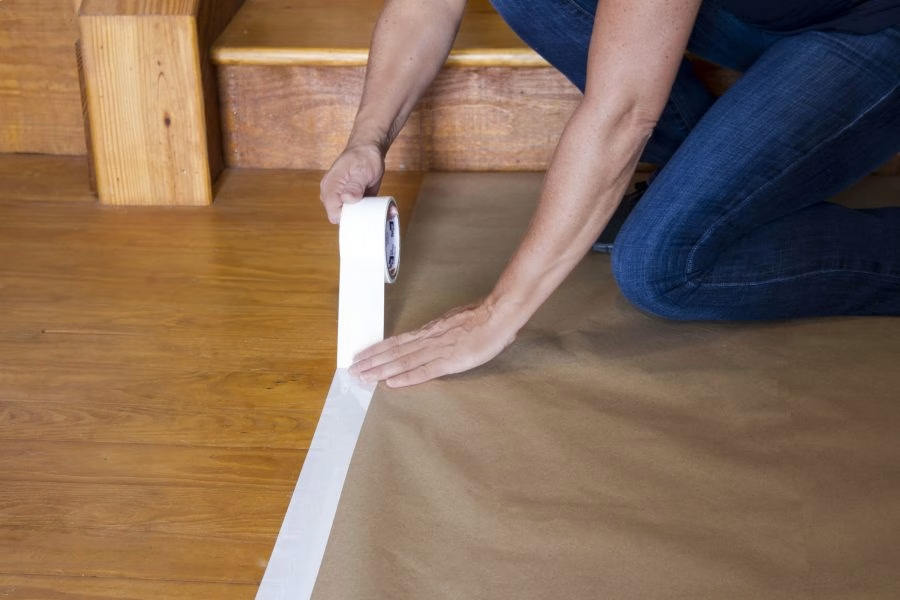
How do I protect floors during abatement and remediation jobs?
March 16, 2018
Abatement and remediation are tough jobs, and without proper protection, they can be tough on floors. Between hauling out hazardous or dirty materials, bringing in new materials, and accommodating crews to build containment systems, floors are subjected to a lot during these projects. Laying down floor protection is one of the first steps that needs…