How Knifeless Tape Mitigates the Risks of Opening a Carton

By: Team Tape University®

July 15, 2025

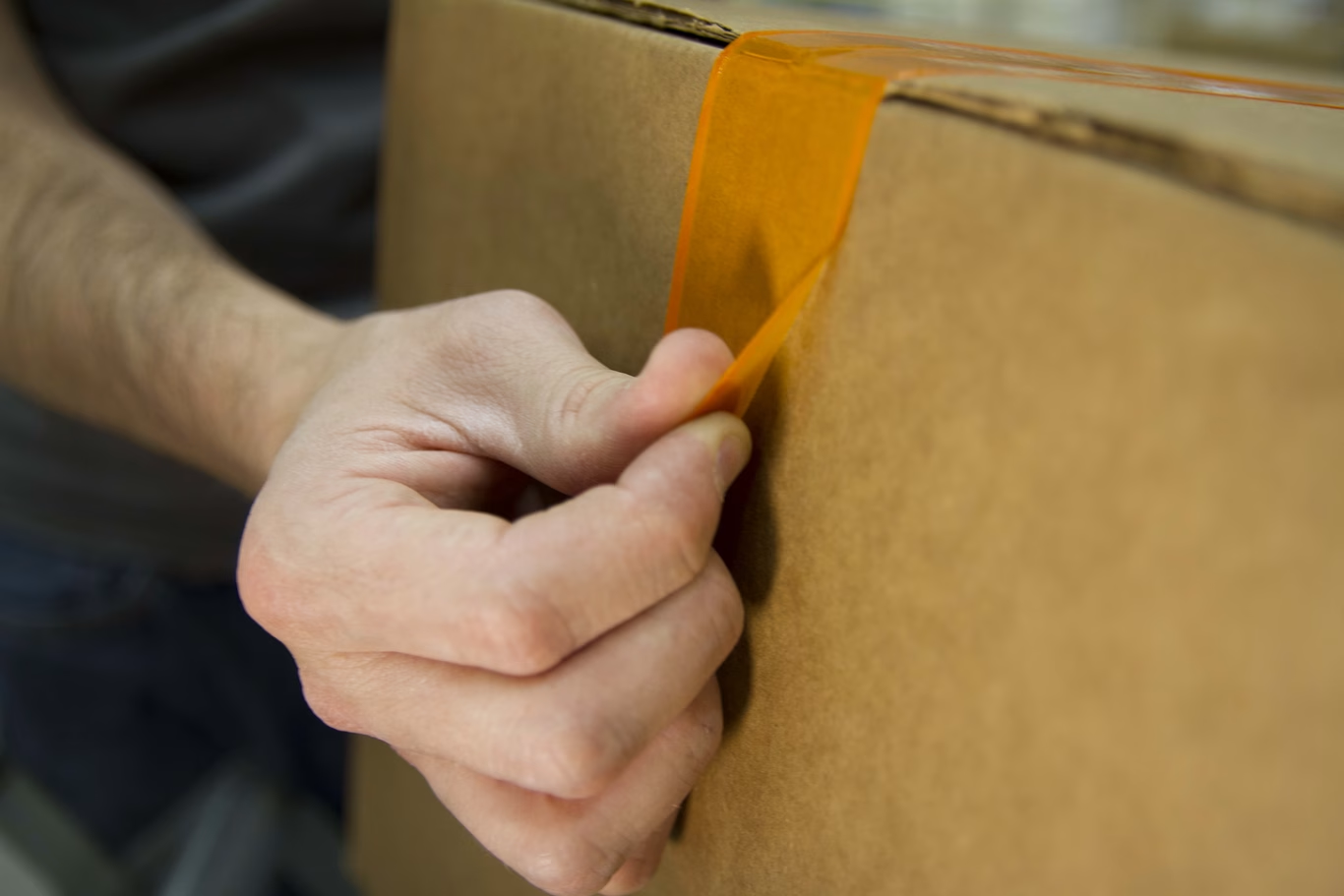
Shurtape Packaging Foldededgepull3

Shurtape Packaging Foldededgepull3

An often overlooked case sealing issue that many organizations face is damage due to sharp instruments. Something as simple as a knife or other sharp object can wreak havoc along the supply chain.

Product Damage

One risk related to knife cuts is product damage. This may cause items to be deemed unsaleable, resulting in costly returns. The Grocery Manufacturers Association and the Food Marketing Institute estimate that damaged product and other unsaleables cost consumer packaged goods manufacturers $15 billion annually or 1 to 2 percent of a manufacturer’s gross sales.

Personal Injury

Another risk related to the use of a knife to open cartons is personal injury. The costs associated with just one cut or laceration are astronomical when you factor in direct costs such as worker’s compensation payouts and healthcare, and indirect costs such as wages paid related to lost time or work stoppage, and time and money spent on worker replacement.

Consider Knifeless Tape Options

See how you can eliminate the knife from the equation at Shurtape.com/Knifeless.

Related articles

Shurtape automatic case sealer used for carton sealing in packaging operations preparing a box for sealing

How Automated Case Sealers Improve Consistency and Product Protection

September 16, 2026

Manual case sealing leads to costly inconsistencies. See how Shurtape® automatic case sealers improve consistency, reduce waste and protect products.

Read Article
A Shurtape packaging machine appying tape to a white box.

Boost Your Production Line Efficiency with Shurtape® Packaging Machines

August 19, 2026

Efficiency isn’t just an operational goal in fast-paced manufacturing environments – it’s a competitive advantage.

Read Article

Transform Your Packaging Process with Folded Edge® Technology

August 3, 2026

For many manufacturers, end-of-line packaging plays a crucial role in the production process. This stage—where products are sealed in secondary packaging like corrugated cartons— serves as a first line of defense to ensure goods arrive at their destination in excellent, saleable condition.

Read Article