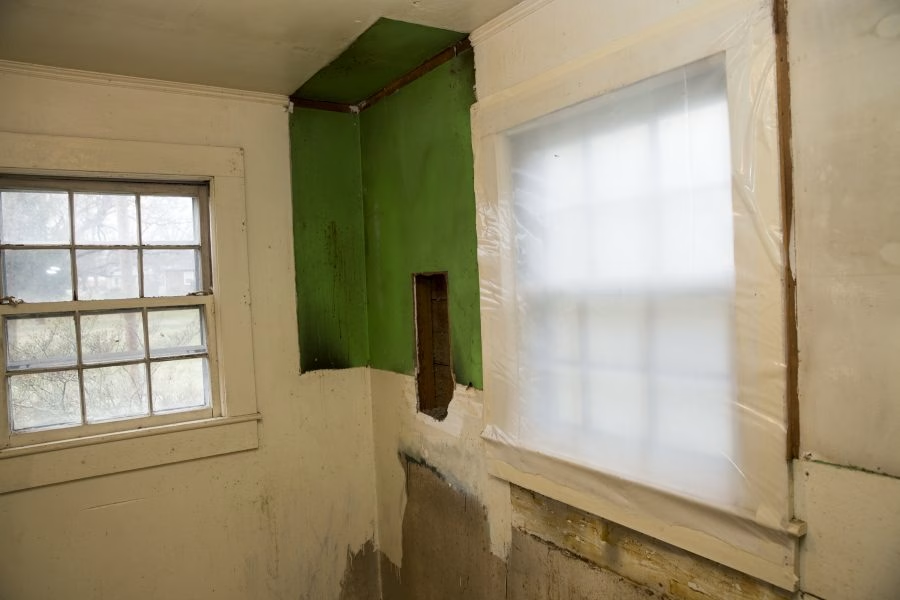
There’s no getting around it: mold is unpleasant. It’s ugly and stinky and can wreak havoc on your health. Often caused by flooding or other sources of excess moisture, mold is notorious for causing unsightly staining on walls, ceilings, and other surfaces while creating unsafe living conditions due to the hazard of breathing in airborne spores.
Due to the health risks associated with prolonged exposure to high concentrations of mold, removing it is best left to abatement and restoration professionals. The first thing that needs to be done before severe mold can be cleaned up is to prevent it from spreading by building a containment system. Containment systems are typically built with poly sheeting adhered to doorways, windows, and other surfaces using one or two different types of tape. Containment systems can be made using the traditional two-step method, which requires two types of tape: a masking or painter’s tape and a duct tape, or using the more recent one-step method with a double-sided tape built with a gentle, clean removal adhesive on one side and a stronger duct tape-like adhesive on the other to securely hold to poly sheeting.
The key is to build a containment that is airtight – a critical criteria for preventing mold spores from spreading and contaminating other property or people. The integrity of your containment system comes down to the tape you choose for the job. When choosing tapes for mold remediation projects, consider the:
- Application Environment: Mold loves moisture, so chances are, the area you will need to contain will be humid and surfaces may be moist to the touch. Be sure to wipe down dirty or dusty surfaces before applying masking tape, but also select a duct tape – when using the two-step method – that is built to withstand humidity without compromising its holding power. In cases where extreme hot or cold temperatures are present, such as in unconditioned spaces after a flood during the summer or winter, pay attention to the tape’s label and choose one that won’t fail in those environments.
- Duration: How long will the job take? It might be a one or two-day job, or it could take a couple of weeks. Whatever duration the job demands, if using the traditional two-step method of containment building, it is important to use a masking or painter’s tape that offers clean removal – and that guarantees clean removal for as many days after application as you need to finish the job. There’s nothing good about finishing a mold remediation project only to damage the walls while removing tape.
- Other Hazards: Mold is often accompanied by other potential hazards, especially after a natural disaster, such as a fire or flood. Mold may set in after fire damage because of the volume of water used by firefighters to put out the flames, and the job site environment in these cases might call for tapes that can be applied to dusty or sooty surfaces. Debris and other dangerous materials may also cause additional safety concerns where it would be wise to consider using a barricade tape to warn civilians and prevent entrance to the hazard zone. If mold isn’t the only issue you will be dealing with on the job, make sure you have a well-stocked toolbox with all the tapes you may need to ensure a safe and efficient abatement.
To learn where to find the right abatement tapes for your next job, visit Shurtape.com.