
Restoration
What are the benefits of double-sided abatement tape?
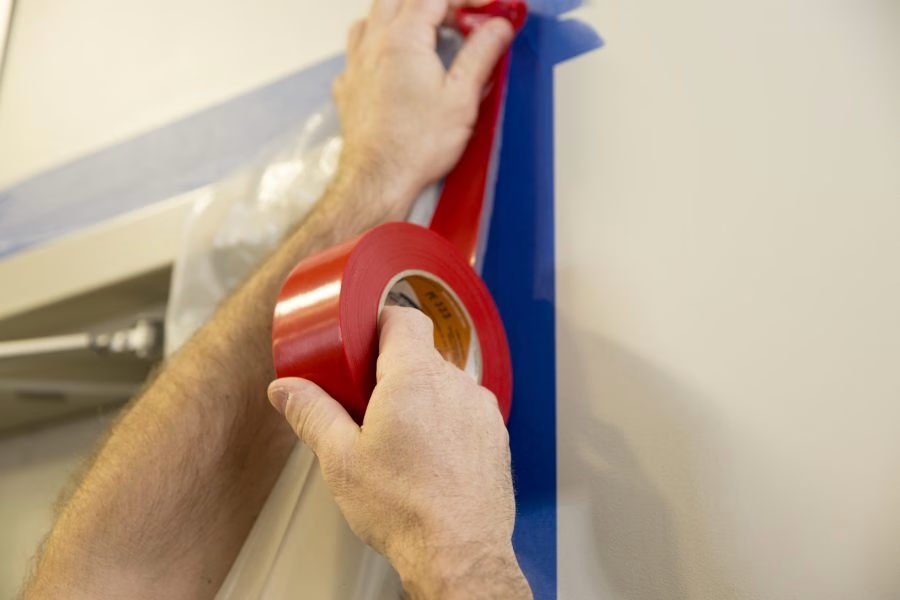
Double-sided abatement tape was created with the intention of simplifying the containment building process during abatement and remediation jobs. As opposed to the traditional two-step containment building process using a painter’s tape and a duct tape, it eliminates the hassle of having to use two different kinds of tape, saving…
By: Lisa Zierfuss
Sort By:
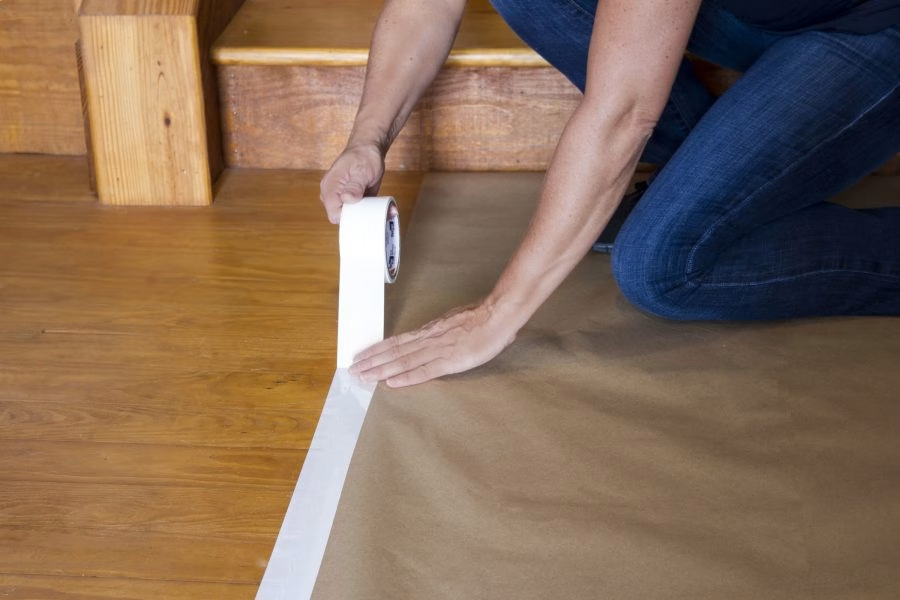
How do I protect floors during abatement and remediation jobs?
March 16, 2018
Abatement and remediation are tough jobs, and without proper protection, they can be tough on floors. Between hauling out hazardous or dirty materials, bringing in new materials, and accommodating crews to build containment systems, floors are subjected to a lot during these projects. Laying down floor protection is one of the first steps that needs…
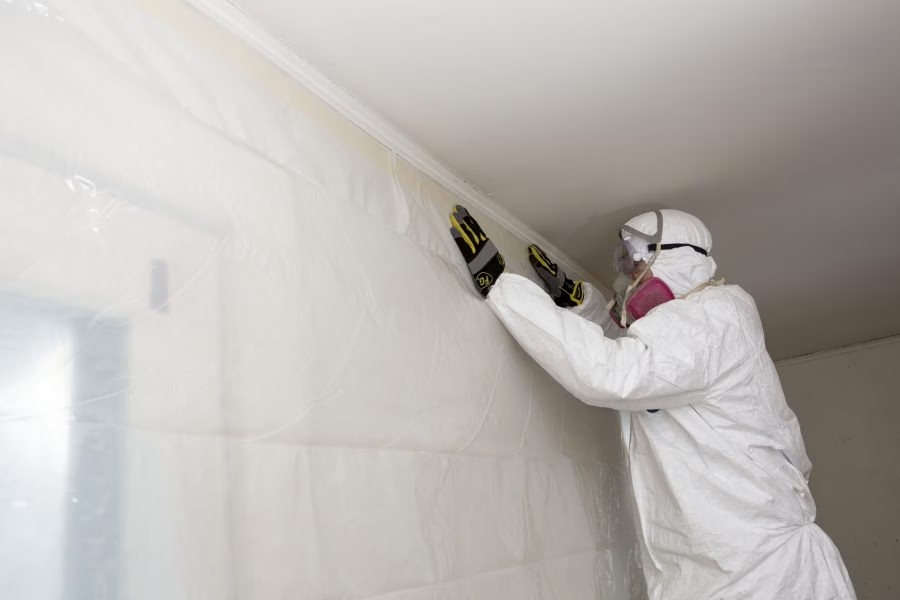
How are abatement tapes used for meth lab removal jobs?
January 24, 2018
Each year, thousands of methamphetamine (meth) labs are discovered in houses, apartments, sheds, and even automobiles. These labs, used to make illegal drugs, are seized by law enforcement and must then be professionally and thoroughly abated to remove harmful substances. Meth labs typically house containers of dangerous chemicals, such as paint thinners, solvents, acids, and…
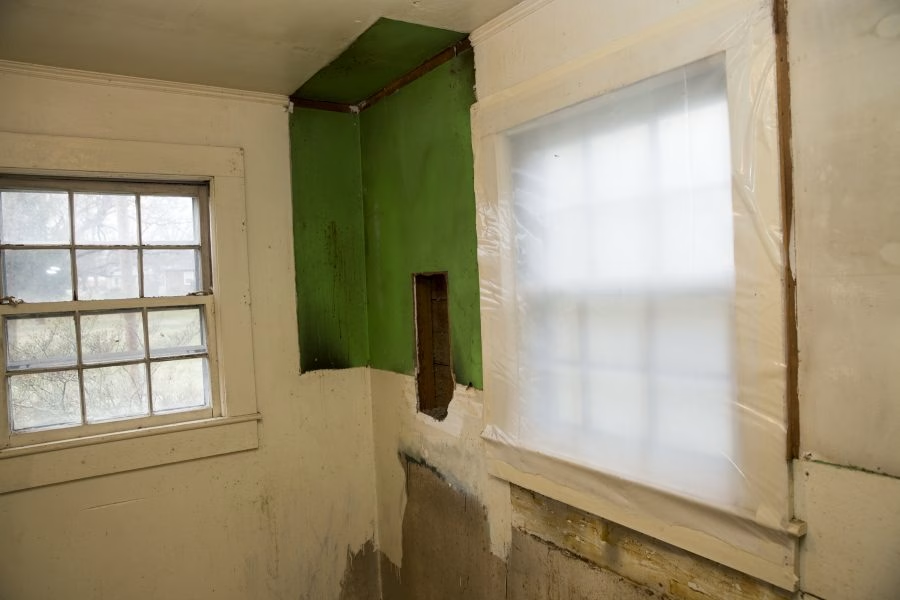
How are abatement tapes used for mold remediation?
December 15, 2017
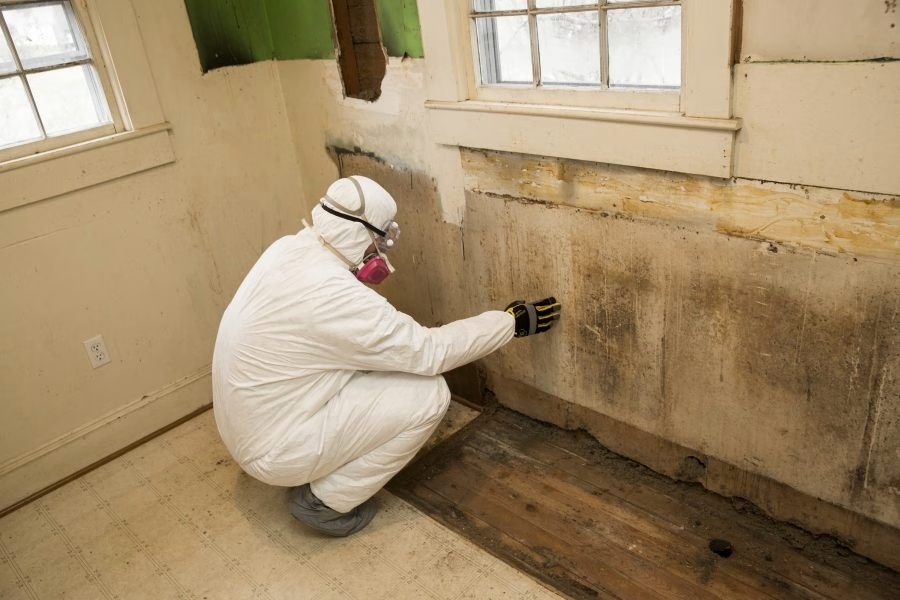
There’s no getting around it: mold is unpleasant. It’s ugly and stinky and can wreak havoc on your health. Often caused by flooding or other sources of excess moisture, mold is notorious for causing unsightly staining on walls, ceilings, and other surfaces while creating unsafe living conditions due to the hazard of breathing in airborne…
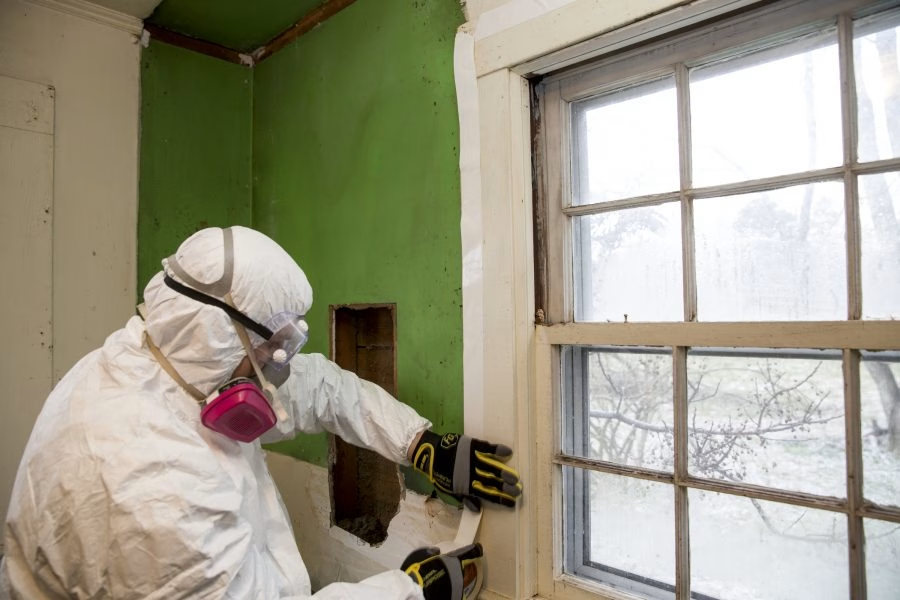
How are abatement tapes used for asbestos removal?
October 20, 2017
While the use of asbestos as a building material in homes and buildings has been banned for several decades, many structures that contain the fibrous mineral have remained. Although not harmful unless the fibers become airborne, asbestos has been known to cause a number of deadly lung diseases in those exposed to the dusty particles.…
How are abatement tapes used for fire restoration?
September 15, 2017
After a fire, building damage can be devastating and overwhelming to clean up. Even after the flames have been extinguished, remaining smoke and ash can set into walls, furniture, and other items, causing deterioration and staining. However, the damage caused by a fire doesn’t stop at ash and smoke. Water damage is often an issue…
What is the difference between abatement and restoration?
April 21, 2017
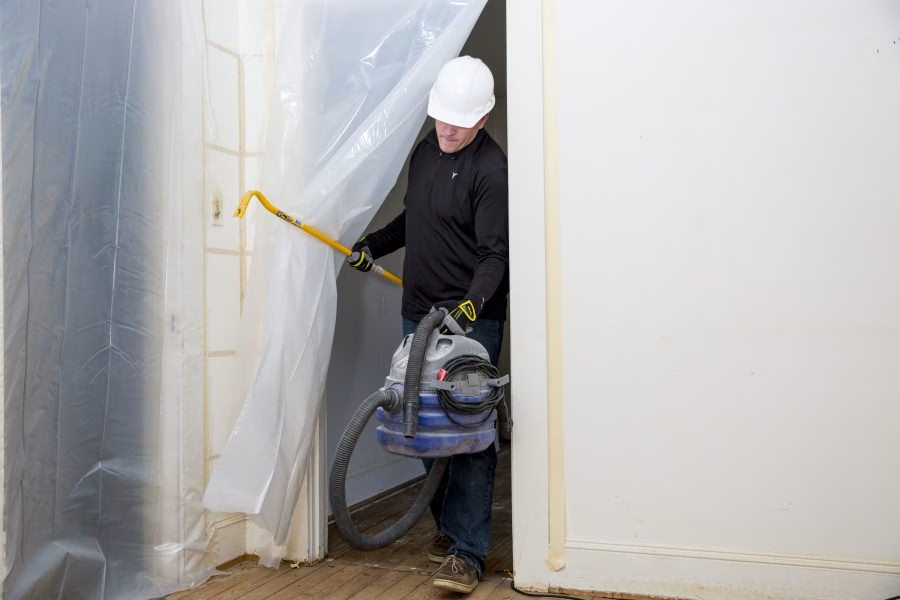
While often lumped together as one category, abatement and restoration projects actually have some key differences, which might help determine the best tools, including tape, for the job. Restoration refers to a situation where an interior area is being contained to keep dust, dirt or debris in one area, with the end goal of restoring that area…
How can the jobsite environment impact the performance of abatement tape?
January 20, 2017
In abatement and restoration applications, the jobsite environment can have a heavy impact on your tape’s performance. Abatement projects like asbestos removal, fumigation, cleanup of smoke and fire damage, and other disaster relief efforts are usually accompanied by dust, dirt, moisture, humidity, and fluctuating temperatures. All of these factors have a hand in how tape…