Material waste is a common – and costly – issue in manufacturing lines. In many facilities, 10–20% tape waste is considered normal, often showing up as stub tape rolls, scrap piles or cartons requiring rework. But it doesn’t have to be this way.
Understanding where waste occurs is the first step to reducing it. Tape waste can be attributed to choosing the wrong packaging tape, as well as improper tape application , and the costs associated can add up.
Selecting the Wrong Tape
Tape waste typically results from two main causes: selecting the wrong packaging tape or improper application to the box.
Selecting the wrong type of packaging tape for your application can result in poor adhesion, causing cartons to become unsealed and require re-sealing, thus needing a second strip of tape that should not be necessary. In some cases, a thicker tape is used than is needed for the job in order to compensate for the adhesion that is lacking due to inadequate wipe-down in application.
Manufacturers often get confused when choosing a grade, adhesive/construction type or not considering their sealing environment. Factors like heavy content, cold environments or sealing recycled cartons are critical to keep in mind when selecting a tape.
Waste also commonly occurs when using a tape that is not optimized for manufacturing, leaving behind several inches – or more – of unusable tape at the end of the roll. This occurs because tape tends to break during application as the roll gets smaller, leaving it unusable and causing rework.
Improper Application
Tape waste can also be caused by improper application, even if the right tape for the job is used. Packaging tapes are pressure-sensitive, meaning a certain amount of force is needed to bond the adhesive in the tape to the corrugated surface to which it is applied. This force allows the tape’s adhesive to adhere to the fibers of the carton, creating a permanent bond.
Without proper wipe-down pressure, carton seals lose their integrity and are more likely to fail, resulting in wasted labor to locate and correct the poorly sealed cartons, as well as additional material use from applying extra tape to reseal them.
Another issue related to improper tape application is using too much tape on the carton and having tab lengths that are too long. With proper application, secure seals should only require one strip of tape. Tab lengths can also be adjusted up or down based on factors such as carton weight and contents.
How ShurSEAL® Reduces Tape Waste
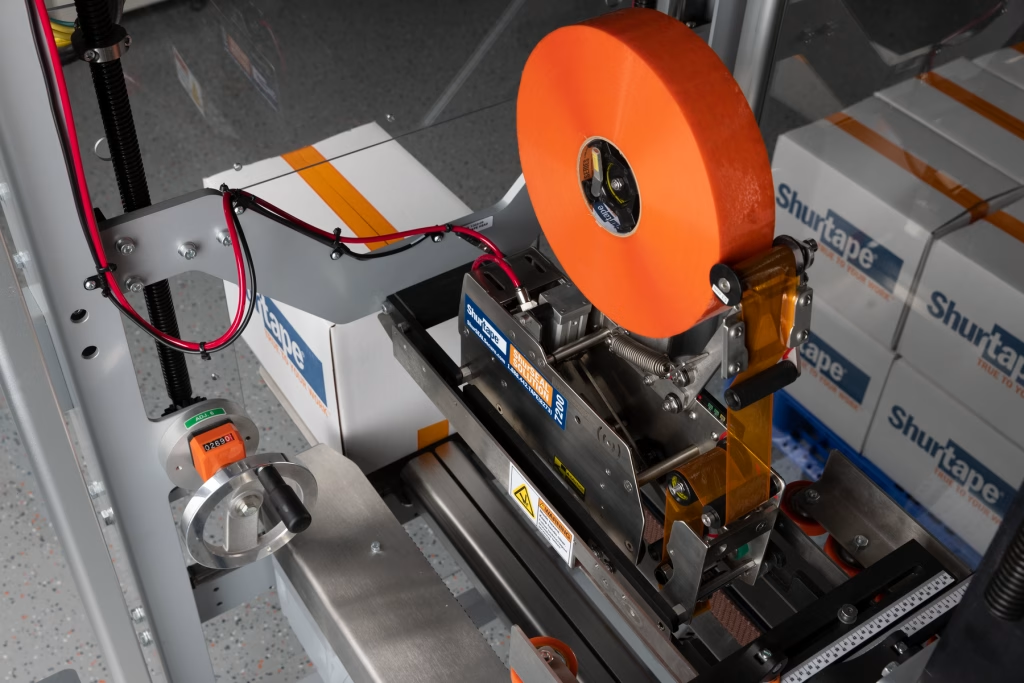
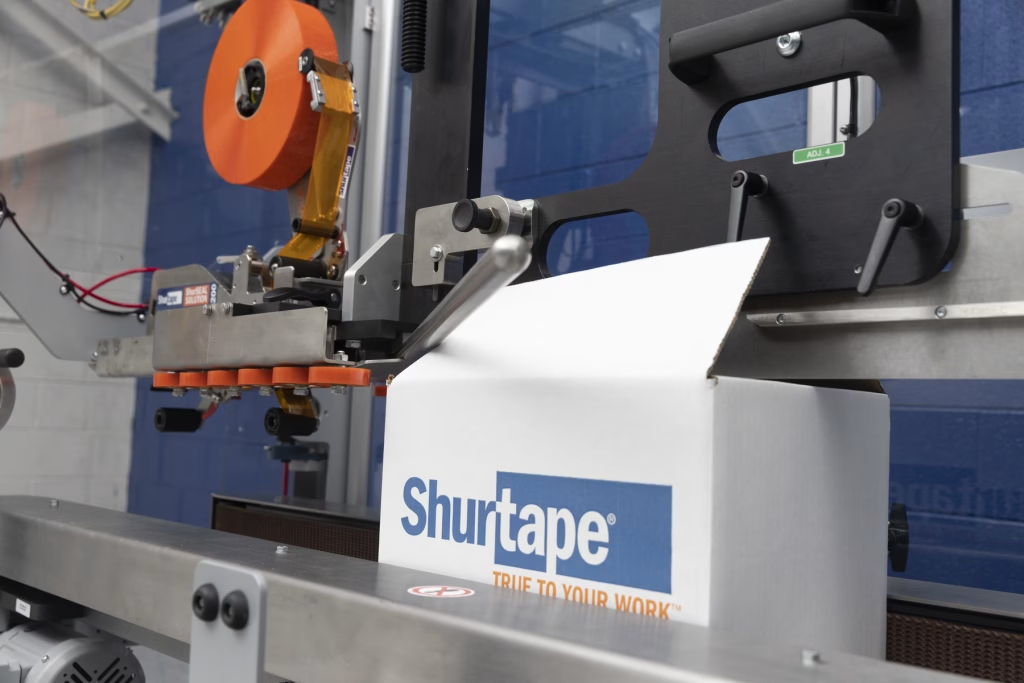
The ShurSEAL® Solution is engineered specifically to eliminate the common causes of tape waste, with key features that include:
- Tapes with the Good to the Core™ mark maintain performance throughout the entire roll, reducing stub rolls and scrap.
- Consistent wipe-down pressure delivers 90% adhesive utilization for a more reliable seal from the start.
- Applicators are engineered for less tension on the tape to help ensure clean, consistent application and reduce tape breakage.
By eliminating these common causes of tape waste, ShurSEAL helps manufacturers eliminate unnecessary tape consumption, improve carton security and reduce rework – all while lowering total cost.