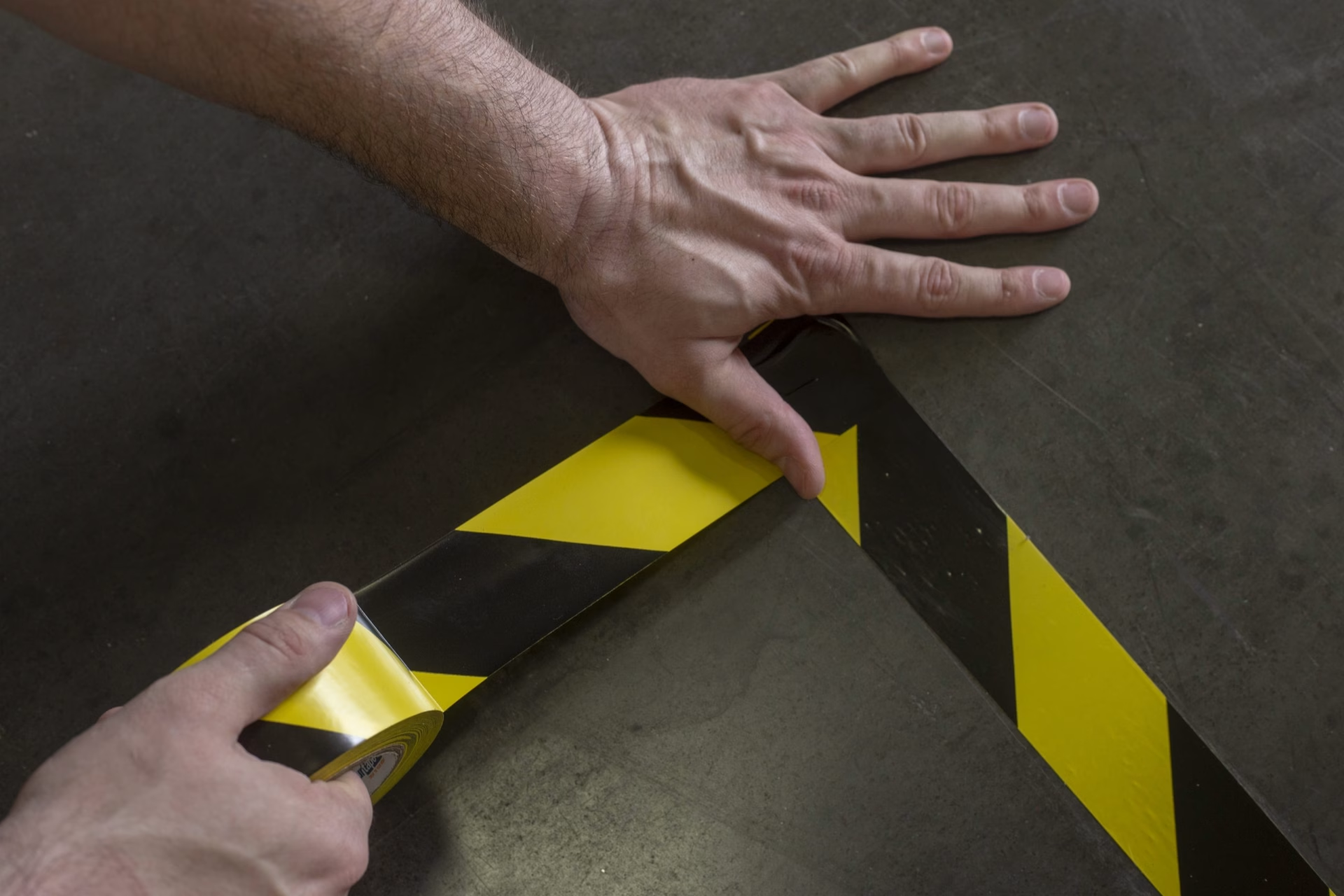
Deciding on the right type of floor marking tape is important based on usage and overall need. In recent events, we are seeing the growing need to properly mark areas intended for:
- People to maintain safe social distancing
- Establish lanes for safe foot traffic
- Color-code specific areas to identify a desired traffic pattern
- Communicate areas of importance
When floor marking is a necessity, it’s important to select the best floor marking tape for the job. High-traffic areas found in medical facilities, grocery stores, pharmacies and other essential businesses are tasked with proper lane marking and denoting specific areas of importance. Your first thought is to use the tape you have on hand, such as blue painter’s tape or duct tape, which is completely understandable. These types of tapes will work in the interim; however, they are not purpose-built for floor marking and will need to be replaced often.
Blue painter’s tape contains a paper backing that will not stand up to repetitive cleaning with disinfectant materials, mopping and foot traffic. The blue crepe paper will also start to tear and deteriorate over time due to its construction of paper. Masking tape is designed to be a temporary masking activity in painting.
Duct tape is a bit more forgiving to high-traffic areas, but some duct tape adhesives are built to stay on surfaces for longer periods of time. This can make these tapes difficult to remove and they can leave a sticky residue behind, lengthening your cleanup time if you need to adjust your floor marking patterns or lanes.
A tape with a flexible backing that is also resistant to abrasion, UV light, acid, alkalides, oils, moisture, humidity and corrosion is ideal in these situations. Historically, manufacturing plants and other industrial facilities rely on floor marking tape to promote workplace safety. In these types of job environments, working in close proximity to heavy machinery is a daily occurrence – and an injury could occur at any moment.
For the greatest reliability, choose a floor marking tape that can be used in a wide range of temperatures, maintains its hold in moisture and humid conditions, and can withstand heavy foot traffic without flagging or tearing. Be sure your tape meets OSHA requirements for color-coding and if using it outdoors or in an indoor area that gets a lot of natural light, UV-resistance is another key characteristic to look for.
Find a tape that is designed to meet your exacting standards at Shurtape.com/floor-marking-tape.