Every construction project involves countless components, and sustainability is becoming a top priority. Adhesives play a critical role in the building envelope, ensuring strong, durable bonds that withstand time and environmental stress. Among the various options available, UV-cured acrylic adhesives are emerging as the top choice.
Compared to rubberized asphalt and synthetic rubber adhesives, UV-cured acrylic adhesives offer a wide range of advantages. These adhesives are cured with ultra violet (UV) light during processing, making them highly cross-linked at the molecular level. This makes them much more resilient to degradation and allows for strong adhesion in extreme temperatures. It also creates long-lasting bonds and removes the need for solvent-based primers.
Since the adhesives are cured with UV lamps, there are no solvents used in manufacturing. This eliminates volatile organic compounds (VOCs) that can cause health risks when they outgas. It also helps make production more sustainable.
No Primer Needed
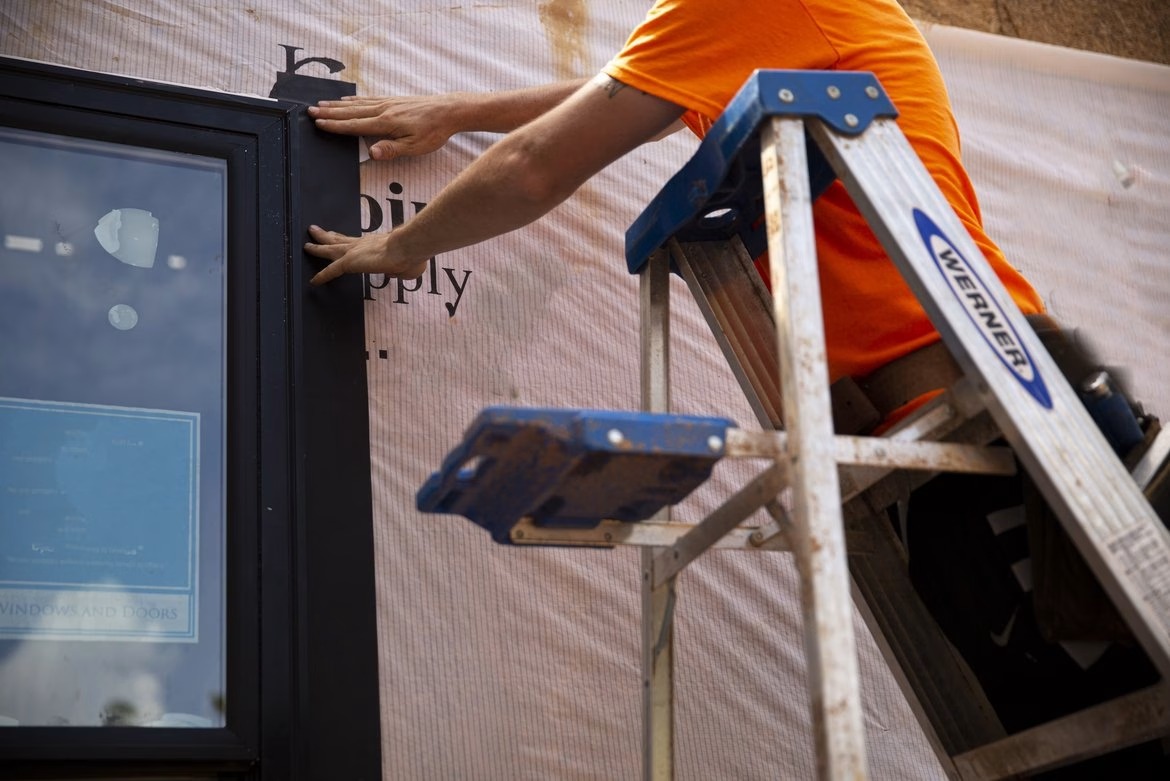
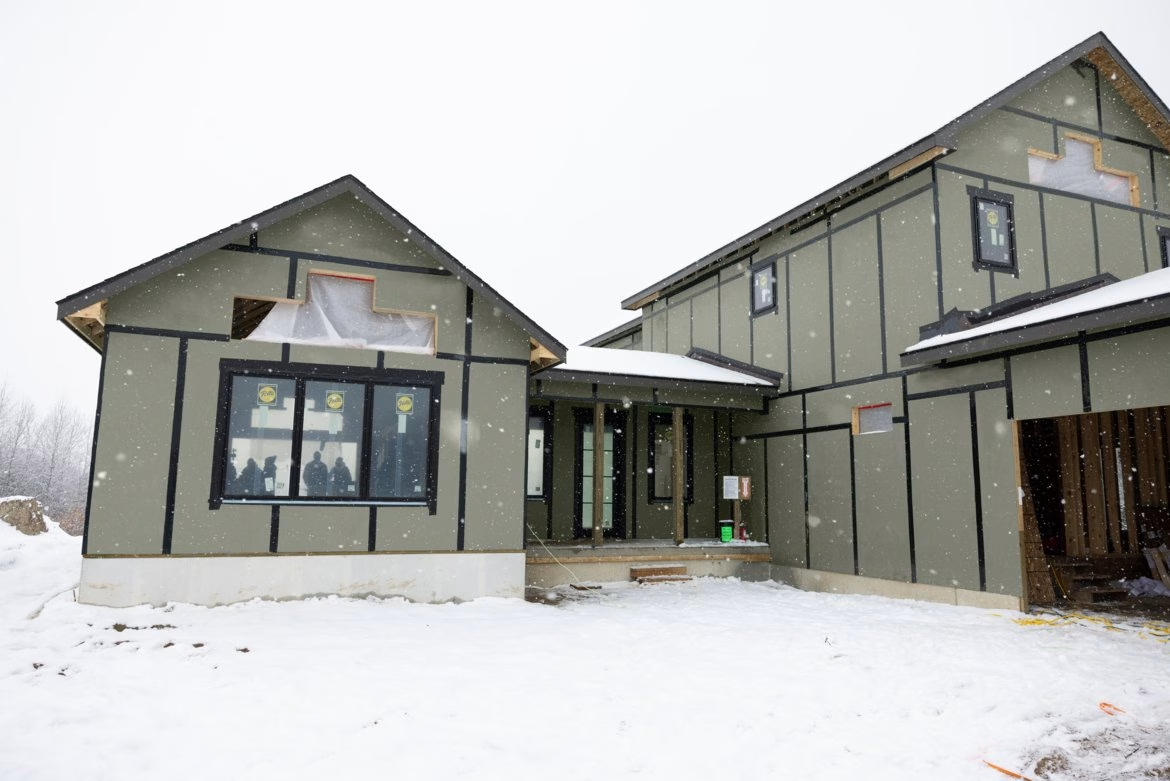
Installing flashing tapes and water-resistive barriers (WRBs) often requires primers, especially on low-energy surfaces like glass-faced gypsum or rough materials such as concrete. UV-cured acrylic adhesives eliminate this step. Their curing process creates strong, weather-resistant bonds that withstand oxidation, chemicals and long-term exposure to harsh environmental conditions. This durability reduces material failures, extending the lifespan of building envelope components and reducing maintenance costs over time.
Resilient Adhesive Bonds for Structural Integrity
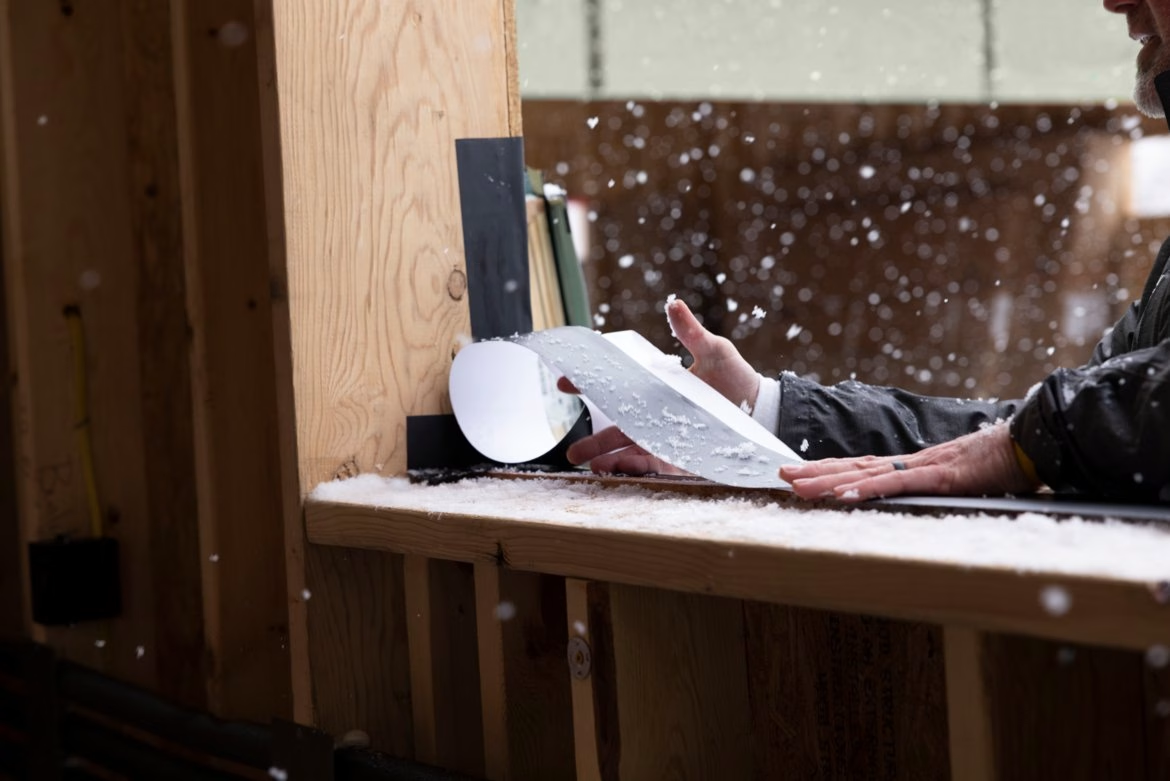
Building envelope components naturally expand and contract due to temperature fluctuations and climate conditions. Over time, this movement can weaken adhesives, leading to cracks, separation and costly repairs. UV-cured acrylic adhesives are designed to remain flexible, adapting to shifts while maintaining strong adhesion. Their wide temperature range (-40 F to 240 F) ensures consistent performance, preventing material separation and preserving a building’s structural integrity and aesthetic appearance.
Solvent and VOC-Free
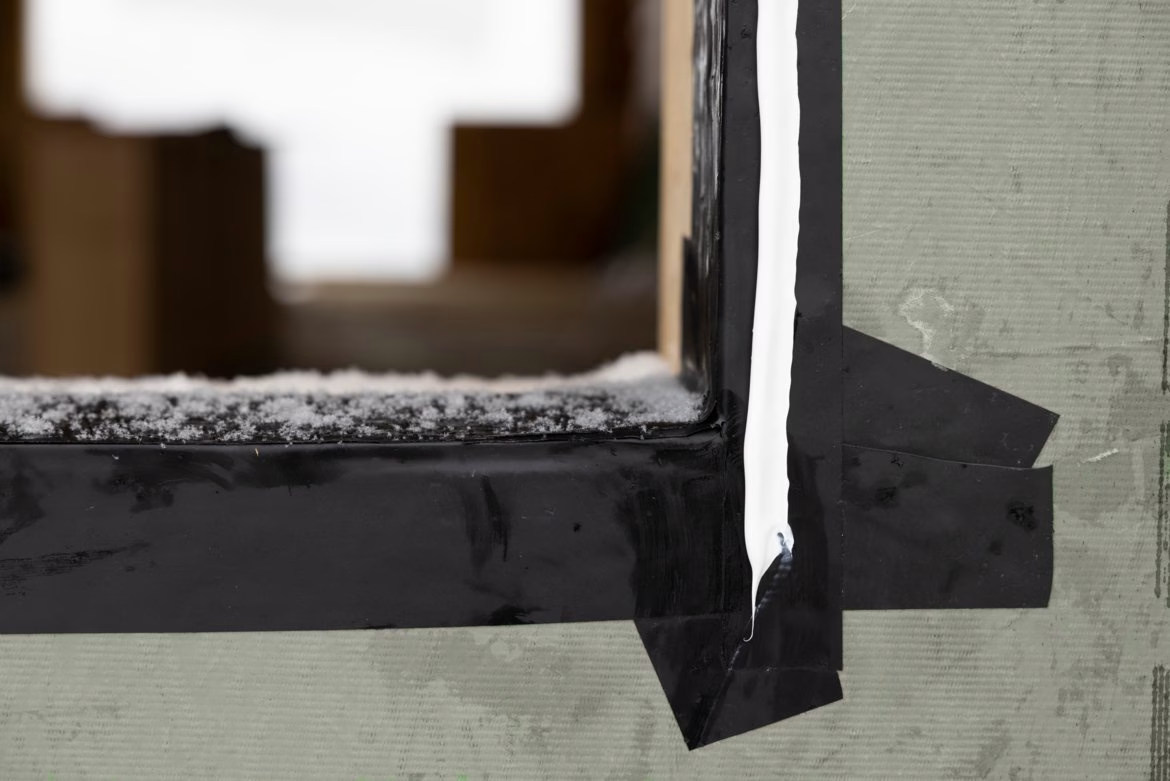
Unlike conventional adhesives, UV-cured acrylic adhesives are solvent-free and contain no volatile organic compounds (VOCs). This means they do not release harmful gases that contribute to air pollution, smog or indoor air quality issues. VOCs in traditional adhesives, such as those found in rubberized asphalt, can degrade over time, causing outgassing that can impact indoor air quality and create health risks including but not limited to asthma, headaches and nausea. By eliminating solvents and VOCs, UV-cured acrylic adhesives provide a safer, healthier alternative for both workers and building occupants.
Additionally, solvent-based adhesives can react with materials used during construction, such as sealants and caulking, leading to premature failures and compromised performance. Acrylic-based adhesives help prevent this degradation for long-term material stability and a reduction in risk of failures that could lead to legal or financial liabilities.
Long-Term Durability for Sustainable Construction
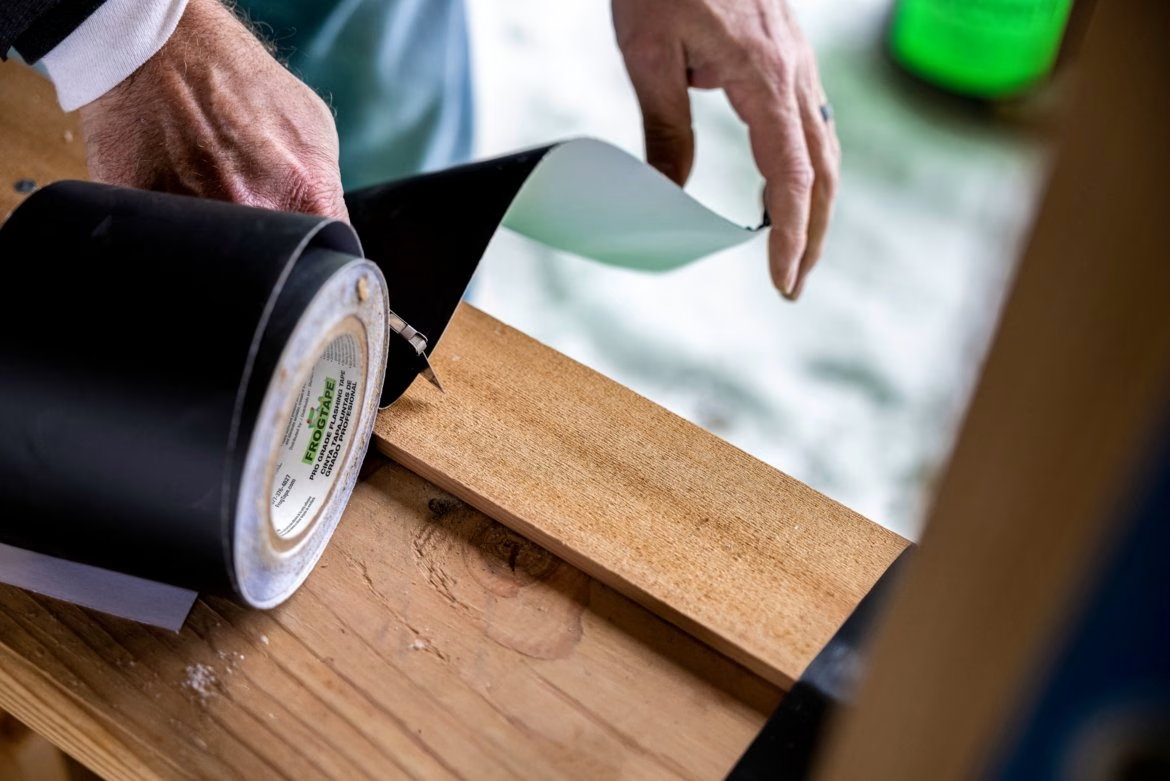
One of the most significant benefits of UV-cured acrylic adhesives is their long-term durability. Their UV curable composition resists degradation far better than traditional adhesives, maintaining adhesion strength even in extreme environmental conditions. By reducing the frequency of repairs and replacements, these adhesives contribute to sustainable construction practices by minimizing material waste and lowering maintenance costs over the building’s lifespan.
A Smarter Choice for Modern Building Envelope Products
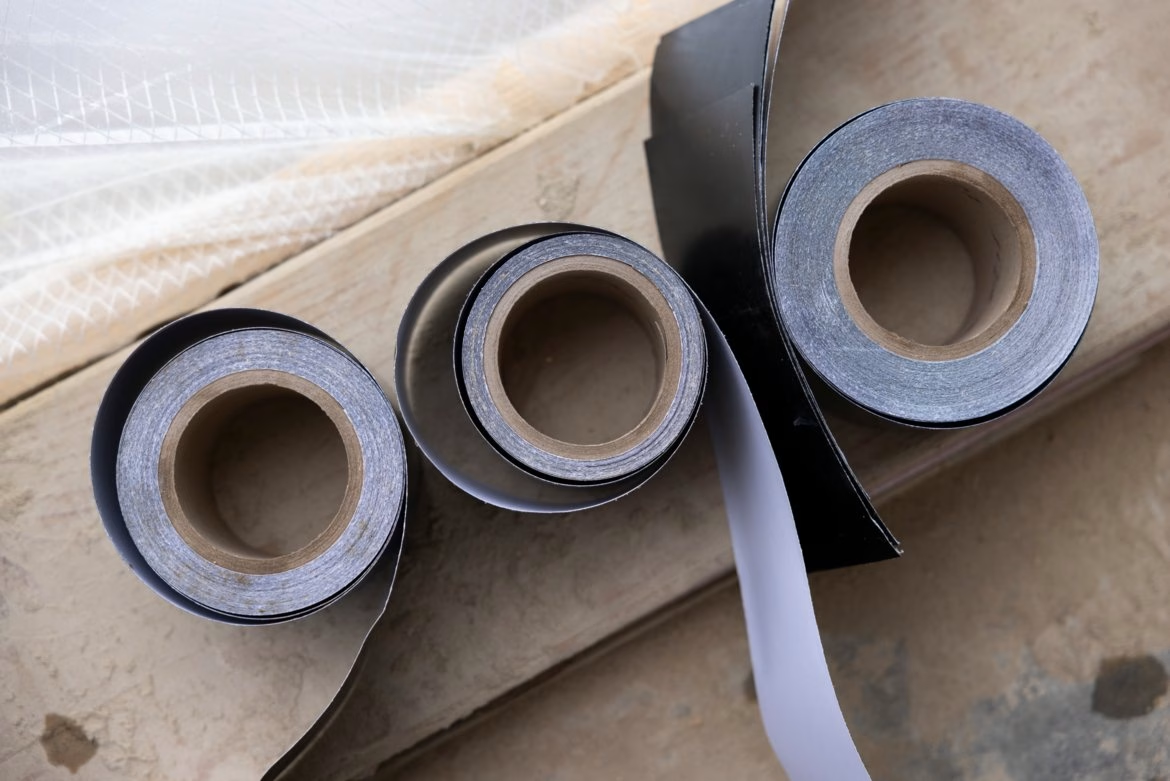
With superior performance, solvent-free composition and long-lasting adhesion, UV-cured acrylic adhesives are revolutionizing building envelope technology. By incorporating them into your product line, manufacturers, builders and contractors can enhance building efficiency and reduce environmental impact.
Interested in learning more? Find out about all of the benefits of UV-cured acrylic adhesives for building envelopes.