We’ve all been told to never judge a book by its cover, but the reality is that we – consumers and businesses, alike – evaluate purchases and investments by their outward appearance all the time. And that evaluation is even more discerning when it comes to significant investments like cars, boats, buses and more.
So, think about the consequences of a sloppy finish when painting these items … a hit not only to the potential sale, but also to the reputation of the related painting, coating and refinishing businesses.
In the world of paintings and coatings, one of the most effective and trusted ways to achieve sharp, clean looks on a project – whether that’s painting a house or re-coating a vehicle – is by using protective masking tape in the process.
But the sea of masking tapes is vast, with a variety of masking tapes designed for different kinds of applications. Knowing the details of how different masking tapes are to be used can be a major game-changer for your painting or repair process – and it’ll help prevent damaged surfaces or costly mistakes that require touch-ups or re-dos.
Here’s a breakdown of the different types of masking tapes typically used in the painting and coating industry.
General Purpose Masking Tapes
The term masking tape in this category is somewhat of a misnomer. While general purpose masking tapes can be used for connecting materials – such as attaching pieces of poly-sheeting or masking paper together – they should not be used for direct-to-surface masking. These tapes offer a medium- to high-adhesion, which is too aggressive for most surfaces and can damage them on removal or leave behind a sticky residue when left on a surface for a prolonged period.
So how should general purpose masking tapes be used? They’re designed for general use – tasks like labeling tools, paint and hardware boxes; bundling electrical cords or rope; or small temporary repairs around a home or jobsite .
Painter’s Tapes
Conversely, painter’s tapes are masking tapes that are specially designed for interior or exterior painting applications. Whereas general purpose masking tapes are prone to pucker or wrinkle when they come into contact with latex paints – which allows paint to seep under the tape in the process – painter’s tapes are manufactured to act as a barrier to keep paint out. In fact, some premium tapes feature specially formulated edge treatments that react with the water in latex paint to form a micro-barrier that seals the edges of the tape. As a result, they deliver extra-sharp paint lines that are particularly useful for precision painting – cabinetry or design elements like stripes, shapes or decorative patterns.
Additionally, painter’s tapes offer a short-term bond with a surface so that they can be removed cleanly without residue or damage. You can usually find each tape’s clean removal time on the product label or product packaging, which indicates how long the tape can be left on without damaging a surface or leaving residue behind. A tape’s clean removal time can range anywhere from a few days to several weeks, so if you know that your project will last for a week or more, make sure to use a tape that is designed to remove cleanly for the duration of your job.
Performance Masking Tapes
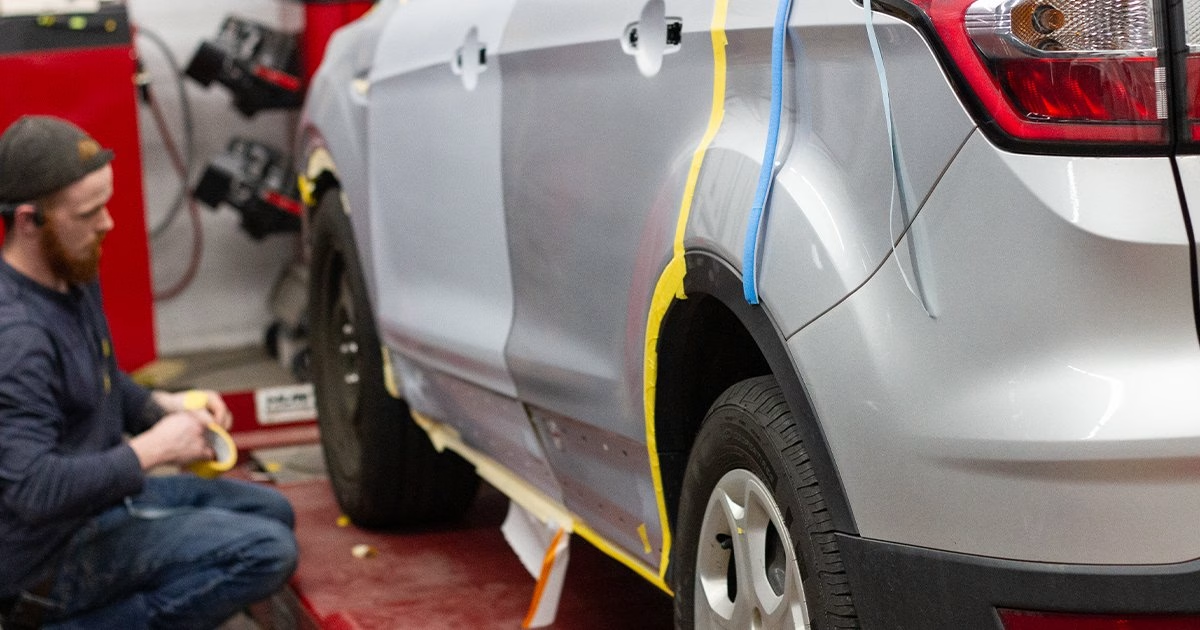
While painter’s tapes are ideal for use on residential and commercial painting projects, they’re not designed to withstand the more intense processes of marine, automotive, transportation and heavy machinery applications, where industrial coatings are applied. These jobs often involve stringent chemicals and subject surfaces to varying degrees of heat in bake cycles, which require tapes crafted for more robust performance.
That’s where performance masking tapes come in. These products are designed to help painters and refinishers of boats, cars, construction vehicles and industrial equipment prep surfaces to consistently deliver a clean, professional finish.
Featuring medium-high adhesion, performance masking tapes adhere to common industrial surfaces and substrates like metal, rubber, plastic and fiberglass, but they also remove easily without tearing or shredding when the job is complete. Moreover, these smooth, conformable tapes are specially engineered to be as easy to work with as they are durable – from withstanding high-temperature bake cycles and UV exposure to resisting water, various solvents and gel coats.
To learn more, visit the FrogTape® Performance Masking Tapes.