Opens in a new tab

What is full system closure?

By: Glenn Walter

August 9, 2016

HVAC-Education-Series-Full-System-Closure

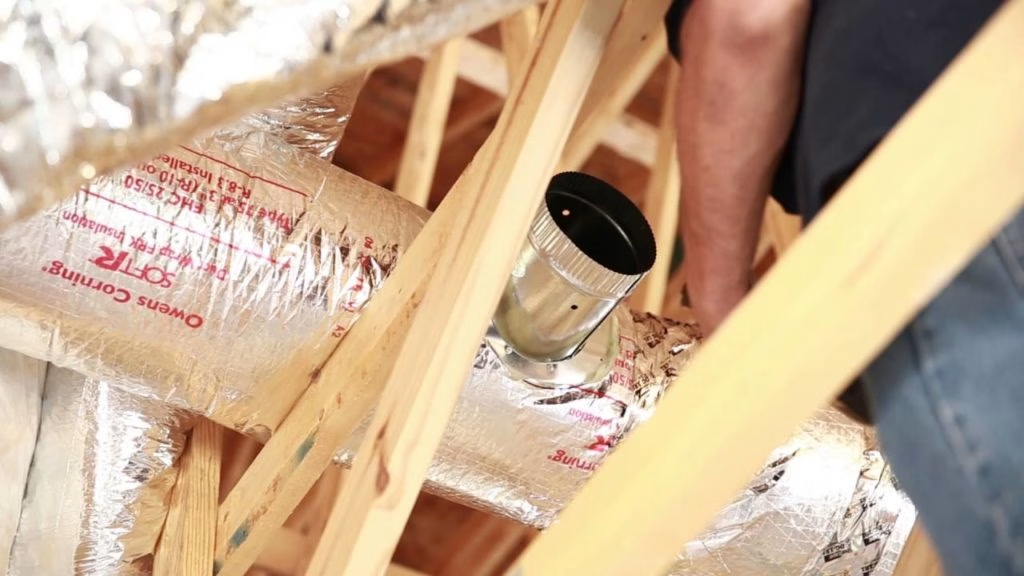
In the HVAC industry, full system closure is a major focus for technicians. This means ensuring the entire HVAC system is properly sealed with no air leaks. Failing to achieve full system closure can allow contaminants such as moisture, dust, dirt, bacteria, and insects to enter the system, negatively impacting indoor air quality. Air leaks can also reduce system efficiency, shorten equipment lifespan, and lead to premature system failure. Additional consequences may include failed inspections, higher energy costs and utility bills, costly callbacks for repairs, damage to a contractor’s reputation, loss of business, and even reduced eligibility for tax incentives.

Watch this video to learn more about how important it is to use the right tool for the job when achieving full system closure.

Related articles

5 Signs Your Facility Has Outgrown Semi-Automatic Box Assembly

September 22, 2026

Backed-up production, rising labor costs, inconsistent seals — see the 5 signs it’s time to upgrade to automated box assembly and sealing.

Read Article
Shurtape automatic case sealer used for carton sealing in packaging operations preparing a box for sealing

How Automated Case Sealers Improve Consistency and Product Protection

September 16, 2026

Manual case sealing leads to costly inconsistencies. See how Shurtape® automatic case sealers improve consistency, reduce waste and protect products.

Read Article
A Shurtape packaging machine appying tape to a white box.

Boost Your Production Line Efficiency with Shurtape® Packaging Machines

August 19, 2026

Efficiency isn’t just an operational goal in fast-paced manufacturing environments – it’s a competitive advantage.

Read Article