The Role of Adhesive Design in Tape Performance
Is Masking Tape the Same as Painter’s Tape?
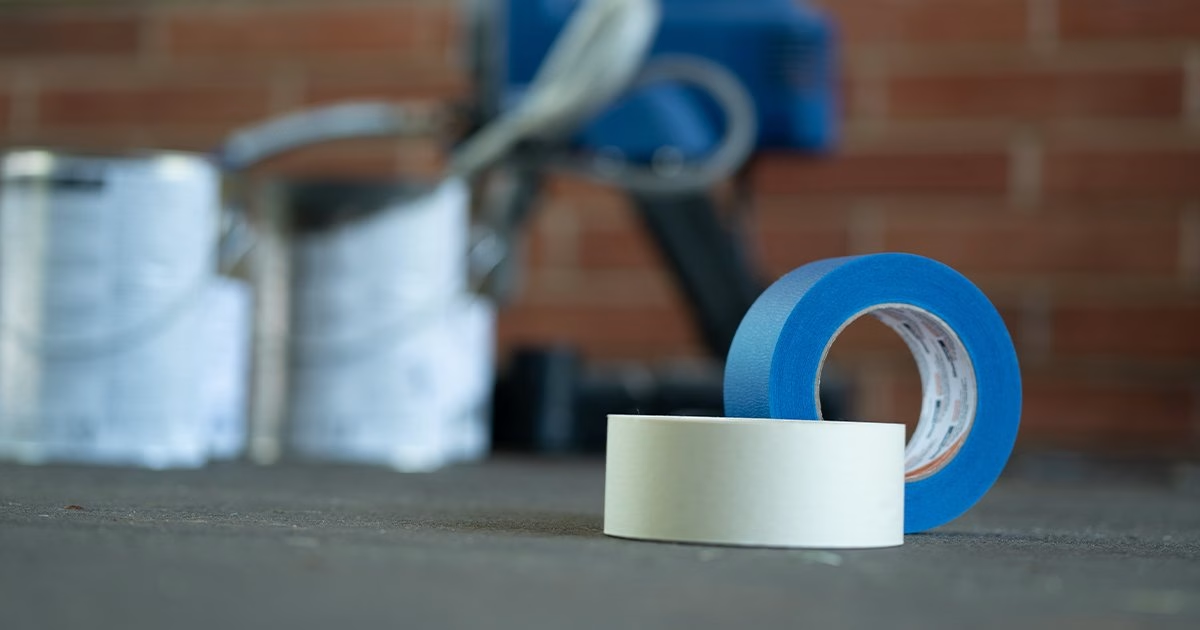
It’s a common question: Is masking tape the same as painter’s tape?
Not exactly. While they may look similar, the difference lies in the adhesive. Both tapes have a paper backing, an adhesive layer and a release coat that helps them unwind smoothly from the roll. But the quality and formulation of that adhesive determine how well each tape performs and how it should be used.
In short:
- Painter’s tape is designed for precise painting and surface protection, offering clean removal from 1 to 60 days depending on the surface and environmental conditions.
- Masking tape is designed for utility applications such as general maintenance, bundling and quick repairs, but may leave residue if used for extended periods.
Understanding how each tape’s adhesive properties work can save you time, prevent damage and help you get the best results from your painting projects to general maintenance and repair tasks.

Painting with Masking Tape vs. Painter’s Tape
Can you use masking tape for painting? Yes—some masking tapes are suitable for painting when they’re designed for clean removal. For example, certain beige masking tapes (like CP 66) are formulated to be removed cleanly after short-term use, typically within about three days.
The key difference between masking tape and painter’s tape isn’t just tack (initial stickiness), but the adhesive formulation and how long it’s designed to stay on a surface without causing damage. Painter’s tape is engineered for longer application windows, often up to 14 days, while still delivering clean removal and sharp paint lines.
In practice, masking tape can work well for short-duration painting projects, but painter’s tape is the more forgiving option for extended jobs, delicate surfaces, or when you need extra assurance of crisp lines and residue-free removal.

All in the Adhesive Design
Because of their wide range of uses, both painter’s tape and masking tape should always be within reach in environments with frequent maintenance and repair needs. But to choose correctly, it helps to understand what makes one tape “stick” better, or differently, than another.
A high-quality adhesive ensures proper contact with the surface, holds for the intended duration and removes cleanly. Incorrect tape choice for the application can result in surface damage or residue, resulting in hours of lost time due to rework.
Here’s a breakdown of four key adhesion properties that affect performance:
1. Adhesive Design: Built for the Job
The main difference between masking tape and painter’s tape comes down to how the adhesive is designed –
- Both masking and painter’s tapes can range from low to high adhesion depending on the product.
- What matters most is whether the tape is engineered for clean removal. Painter’s tape is specifically formulated to stay on surfaces longer and remove cleanly without damaging paint or leaving residue.
When choosing a tape, it’s less about tack or bond strength and more about selecting a product designed for your surface and how long it needs to stay in place.
2. Temperature Range: How Heat Affects Adhesive Tape
Temperature affects adhesive tape performance.
- Standard painter’s tape and general-purpose masking tape perform best between 50 F and 150 F, but are not intended for bake cycles.
- High-performance masking tapes are designed with a cross-linked adhesive system, allowing them to withstand elevated bake cycles up to 350 F and making them suitable for demanding industrial applications like powder coating.
Always consider your environment and intended application when choosing a masking or painter’s tape.
3. UV Resistance: Outdoor Use Matters
UV rays can cause some tapes’ rubber-based adhesives to break down, leading to failure or residue.
- When working outdoors, choose UV-resistant painter’s tape or masking tape designed for exposure.
- For exterior painting or outdoor maintenance and repair, this feature ensures your tape performs reliably without leaving behind a mess.
4. Clean Removal: No Residue, No Rework
Whether painting or repairing, clean removal is critical.
- Painter’s tape is formulated for clean removal without damaging surfaces or leaving adhesive residue behind.
- Masking tape, while stronger, can cause tearing or residue if left on too long.
Always check your tape’s clean removal time on the packaging or manufacturer’s specs to prevent unnecessary cleanup.

Sticking to It
The next time you reach for a roll, think about what you need your tape adhesive to do.
- Painting? Use blue painter’s tape for clean lines and easy removal.
- Repairing or bundling? Choose a general purpose masking tape for its utility.
By matching your tape adhesive properties to the task, you’ll get better results and longer-lasting performance—whether you’re painting, repairing or maintaining your workspace.