HVAC Technician, Zac Desjardins, shows us the three tapes he typically uses for HVAC installs and how to achieve a proper seal.
Choosing the right tape for your application should always be a priority. In addition to selecting the right tape for the job, you also need to make sure you are properly applying it in order to achieve an airtight, permanent seal. Zac shows us which tapes to use for each application during an HVAC system install.
Metal to metal transitions
For any metal to metal transitions, Zac recommends Shurtape SF 686, Shurtape’s butyl foil mastic tape. It has a foil backing so you will need to tear is using your hands or cut it with scissors. Zac prefers to use scissors because you can get a nice a clean cut. It’s a really good, solid airtight tape for any metal to metal transitions, although it can be used for other applications. SF 686 mastic tape is rated up to 220 degrees, is mold resistant, and is UL rated in case you are dealing with inspections or you just want to make sure you are using the proper tape. Like any other tape, you are going to want to use a squeegee. A squeegee is going to allow you to firmly apply the tape. It’s going to create a little more friction that will allow adhesive to adhere to the material better than by applying with your hands alone.
Flex Duct to metal transitions
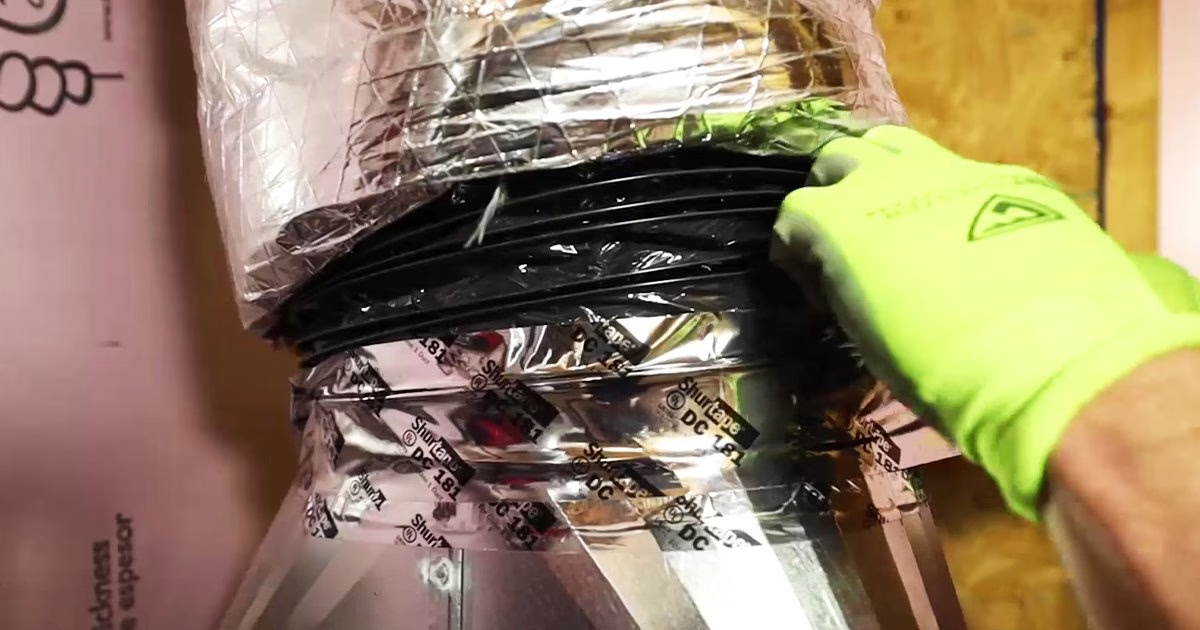
When you are applying any flex duct to metal transitions, Zac prefers Shurtape’s DC 181 flex duct tape. It’s a very thin tape that you can rip with your hands or use a knife if you prefer. It’s a good solid tape for when you are applying flexible duct liner to the metal transition. DC 181 flex duct tape is a class 1 duct tape, rated for cold temperatures. It’s application temperature ranges from negative 10 degrees all the way up to 210 degrees. It is mold resistance and UL rated. You don’t have to use a squeegee with this particular tape because it is thin and you can stretch it around whatever you are working on and it gets a nice tight bond. If you want to, you can still use a squeegee to go over it.
Connecting to insulated pipe
Once you have the flex connected to the main pipe, you are going to have insulation on that pipe. That’s where Shurtape FSK insulation tape comes in. Shurtape’s FSK tape is a very strong tape with a diamond plate texture that matches the insulation on the pipe and it also looks really good when you use it with the flex insulation so that you can seal the flex and the hard pipe. It looks nice and seamless and it is sealed off properly.
The AF 984 CT is an FSK insulation tape. It is a cold temperature rated down to negative 20 degrees and all the way up to 260 degrees. It’s going to be a good tape whether you are working in a crawl space, attic, or outside. It’s going to give you a good permanent bond that resists water vapor and other contaminants.
Installation
When it comes to installing any tape, the install process is key. You want to make sure you are using a squeegee when you apply tape to ensure that it gets a nice airtight bond to the material. Make sure the area is clean before application. Use a dry rag to get any dirt and dust off. Make sure you are prepping the area properly so that the tape will adhere the way it is supposed to.