Stucco tapes go through a variety of both physical tests and application tests.
Physical tests ensure that the tapes perform at the required specification limits for shear, stretch, strength, and adhesion. These types of tests are common procedures for many different types of tape.
Application testing is designed to provide an idea of how the tape will fare when it is used by contractors on the job. Application testing occurs on several different types of surfaces that the stucco tape might be adhered to during stucco application, including vinyl, aluminum, and wood. It is also tested against many different environmental conditions like extreme temperatures and sunlight exposure, to verify that the tapes will remove cleanly and not leave a residue under varied conditions.
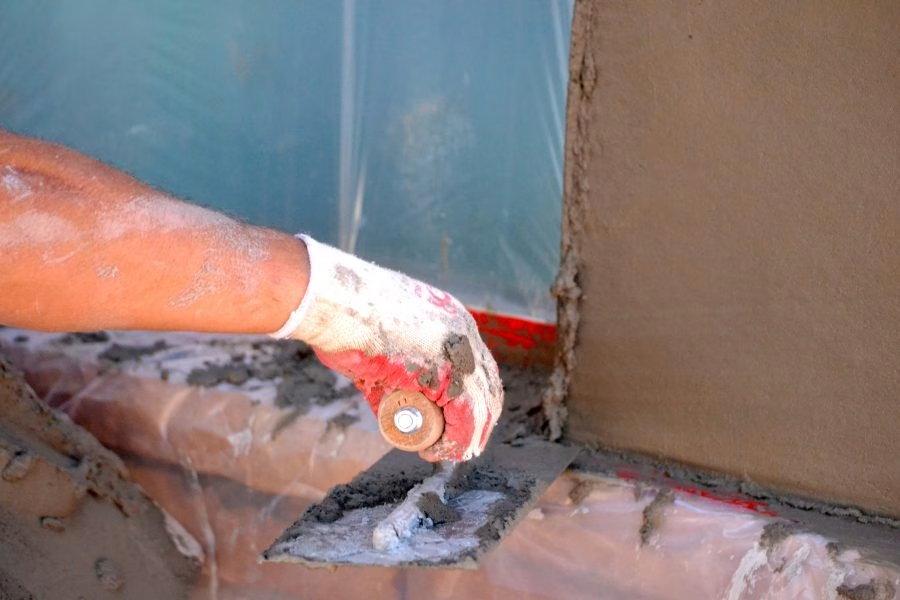
Other application testing includes seeing how the tape holds up to abrasion from trowel scraping and exposure to water, which are both situations that the tape will be exposed to on the job. This testing ensures that contractors will not have to spend time removing adhesive residue left after the tape is removed or redo any part of the stucco process due to failed tape.