Choosing the Wrong Tape Can Cost You
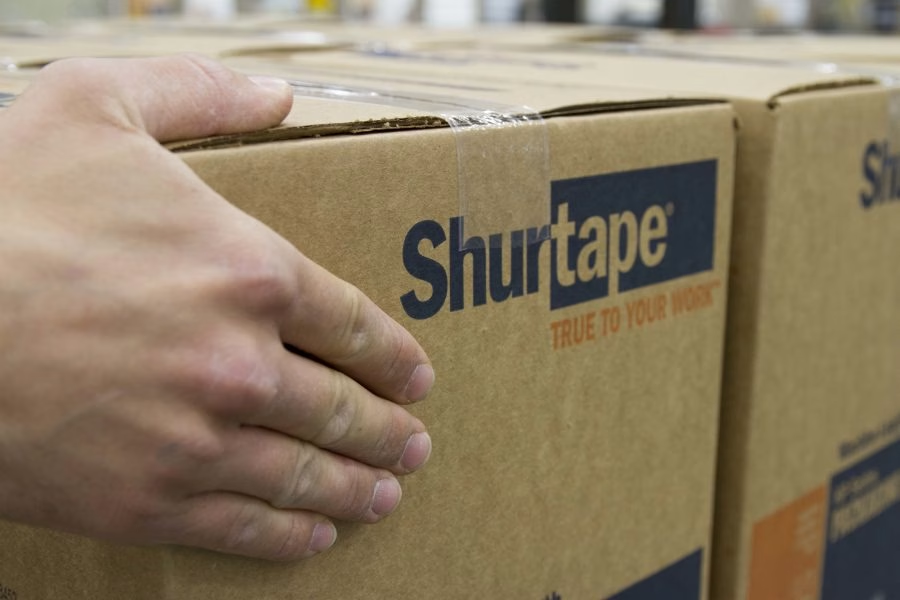
A seal is only as strong as the tape that holds it. Selecting the wrong packaging tape can lead to serious consequences: popped seals, open cartons, and exposed contents. Especially in industries like e-commerce, food manufacturing, and pharmaceuticals, this can mean product contamination, damage, spoilage, or worse: costly replacement orders, customer complaints, and a hit to your brand’s reputation. It’s critical to your business to consider the rigors of transit and think the decision through.
When it comes to packaging tape, selecting the right grade is crucial to ensuring a secure, durable seal. Whether you’re sealing lightweight boxes for everyday shipping or securing heavy-duty cartons for industrial transport, understanding tape grades can help you avoid costly failures and production downtime.
What Are Tape Grades?
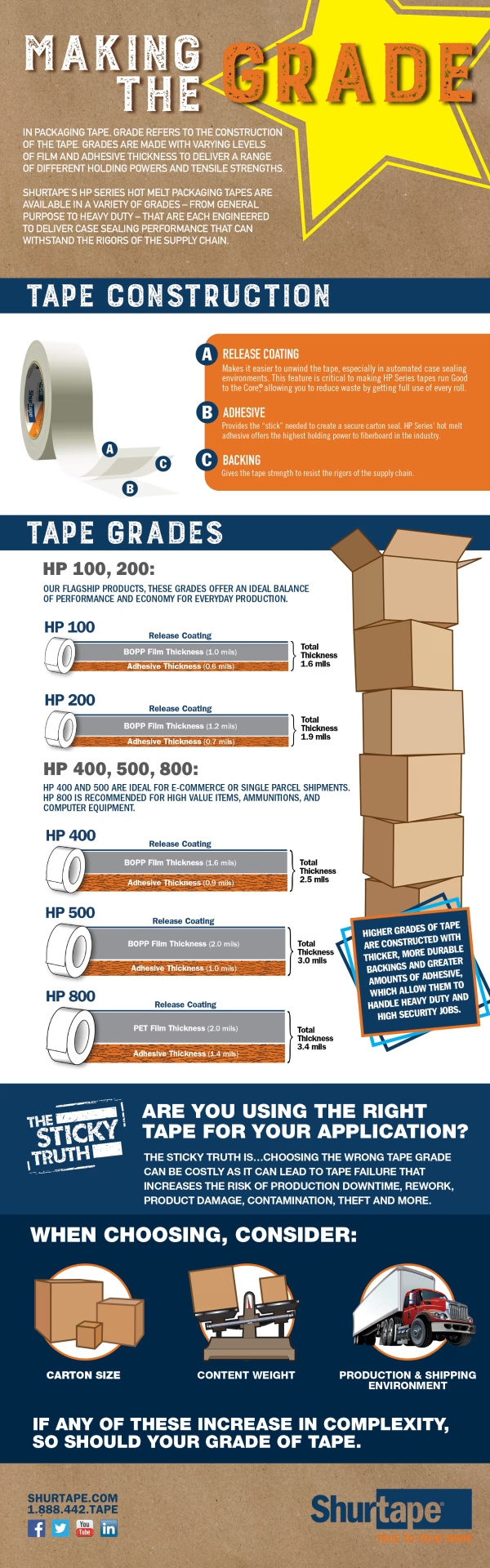
Tape grades refer to the construction of packaging tape, which includes variations in film and adhesive thickness. These differences impact the tape’s holding power, tensile strength and durability, making certain grades better suited for specific applications.
Shurtape HP Series® hot melt packaging tapes are made to handle the needs of shipping and logistics. They come in different grades to meet various needs, from general-purpose to heavy-duty use.
The Anatomy of Packaging Tape
Before diving into tape grades, it’s important to understand what makes up a packaging tape and how each component contributes to its performance:
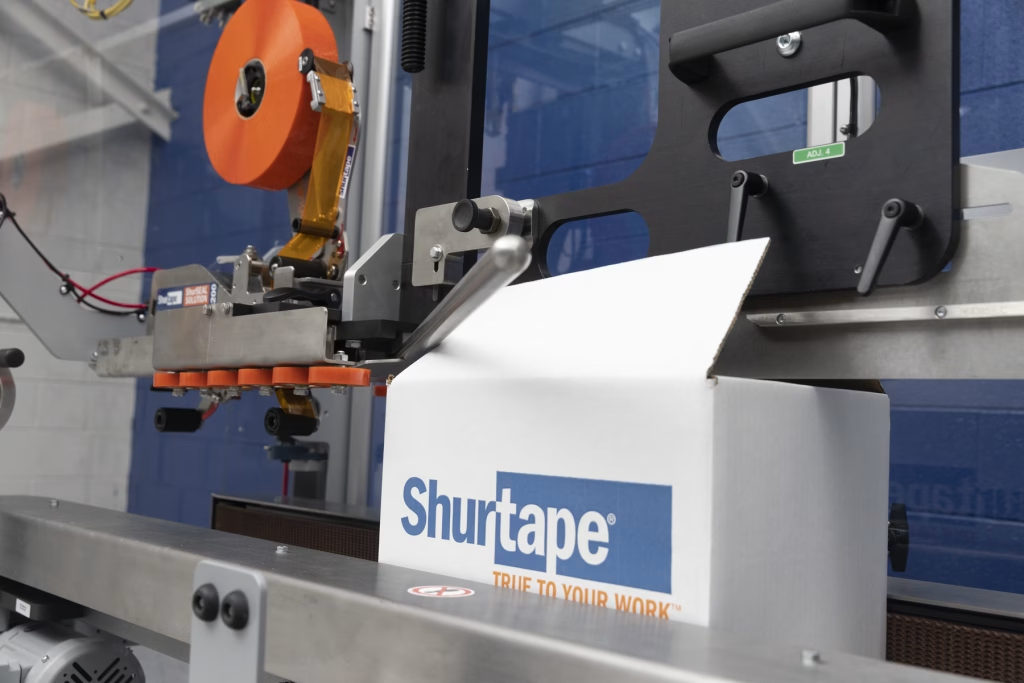
- Release Coating: This layer ensures the tape unwinds smoothly, especially in automated case sealing environments.
- Adhesive: The sticky layer that forms a strong bond with the carton. Hot melt adhesives offer great holding power.
- Backing: A durable film that reinforces the tape, giving it the strength needed to endure the supply chain.
Breakdown of Packaging Tape Grades
HP 100® & HP 200®: Everyday Performance
These flagship grades strike the perfect balance between performance and economy for routine packaging needs.
- HP 100®:
- BOPP Film Thickness: 1.0 mil
- Adhesive Thickness: 0.6 mils
- Total Thickness: 1.6 mils
- HP 200®:
- BOPP Film Thickness: 1.2 mils
- Adhesive Thickness: 0.7 mils
- Total Thickness: 1.9 mils
These grades are ideal for lightweight carton sealing and unitized or palletized loads.
HP 400, 500, 800: Heavy-Duty Performance
For high-value shipments, e-commerce packaging or industrial applications, upgrading to a higher grade of tape is essential.
- HP 400®:
- BOPP Film Thickness: 1.6 mils
- Adhesive Thickness: 0.9 mils
- Total Thickness: 2.5 mils
- HP 500®:
- BOPP Film Thickness: 2.0 mils
- Adhesive Thickness: 1.0 mil
- Total Thickness: 3.0 mils
- HP 800 (for high-security and heavy-duty shipping):
- PET Film Thickness: 2.0 mils
- Adhesive Thickness: 1.4 mils
- Total Thickness: 3.4 mils
Why Higher Grades Matter
Heavier tape grades have thicker backings and stronger adhesives. This lets them hold more weight and handle rough shipping. They are also good for high-security jobs. Choosing the wrong grade for your application can result in tape failure, product damage and costly rework.
Factors to Consider When Selecting Packaging Tape
When deciding on the right packaging tape, keep these factors in mind:
- Carton Size: Larger or irregularly shaped cartons require stronger tape to maintain a secure seal.
- Content Weight: The heavier the package, the stronger the adhesive and backing need to be.
- Production & Shipping Environment: High-volume production lines, temperature variations and rough handling all impact tape performance.
Avoiding Tape Failures
Using the wrong tape grade can lead to carton rework, theft risk, contamination and shipment damage. If any of the factors above increase in complexity, so should your tape grade.
Selecting the right packaging tape protects your products throughout the supply chain. By understanding tape grades and their role in carton sealing, you can improve shipping efficiency, reduce costs and enhance product security.
For the best results, always match your tape grade to your specific packaging needs. Explore Shurtape HP Series offerings to find the ideal solution for your business.