As tape experts and enthusiasts, we make a point to take note of how tape is being used out in the world – in fact, at this point we can’t help but notice! And one of the most common tape usage mistakes that we see is duct tape being used for an application that calls for gaffer’s tape.
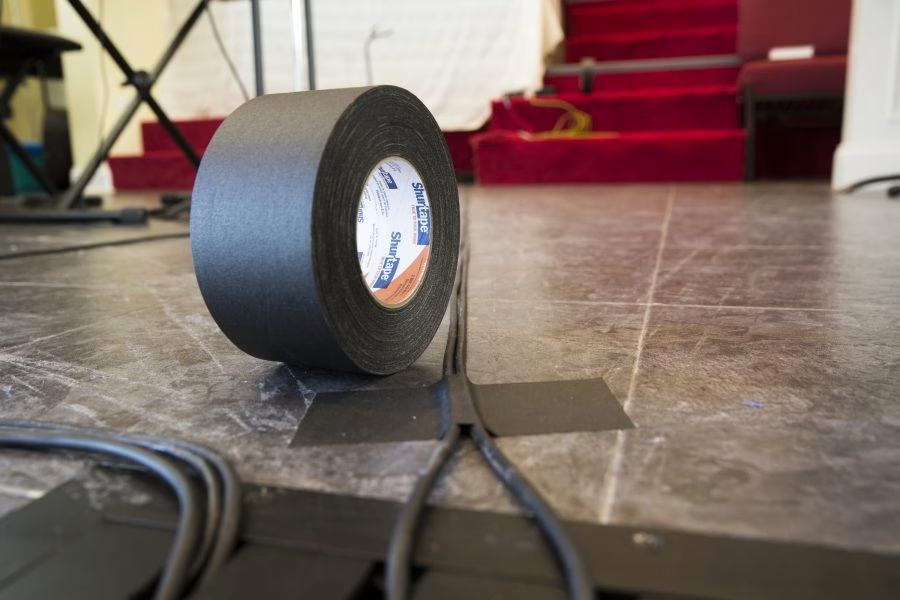
Gaffer’s tape is quintessentially used to tape down cables when preparing a stage or larger area for a concert or event – yet you probably won’t be surprised by how often general-purpose duct tape is used for this purpose.
One of the biggest reasons why duct tape is often used in an application that really requires gaffer’s tape is a lack of knowledge that the two tapes are designed for different purposes. At first glance, gaffer’s tape might look like a matte duct tape, but the adhesive is made differently to allow it to be used temporarily and remove cleanly from a variety of surfaces, such as carpet and linoleum flooring.
Duct tape, in contrast, is built for semi-permanent or permanent applications, and has a much stickier, aggressive adhesive. This is great for making minor repairs or waterproofing, but not for taping down cables. Pulling up duct tape will leave you with sticky adhesive on your floor, cables, and anything else the tape came in contact with. What a mess! Bundling and carrying sticky cables around is a nightmare, and a major inconvenience to try to clean.
Gaffer’s tape is also a safer choice because it is designed to be used on floors and other delicate interior surfaces – and therefore not damage them when removed. The aggressive adhesive of duct tape can not only leave residue behind, but can pull up paint, wallpaper, and finishes on floors and walls, causing significant and costly damage. In professional arts and entertainment applications, leaving sticky residue or damage behind can lead to complaints and bad reviews from the venue – causing your business to take a hit.
Ultimately, using duct tape in an application where gaffer’s tape is the better choice can lead to major headaches and costly setbacks for the person using the tape, as well as those managing venues where the tape was applied.