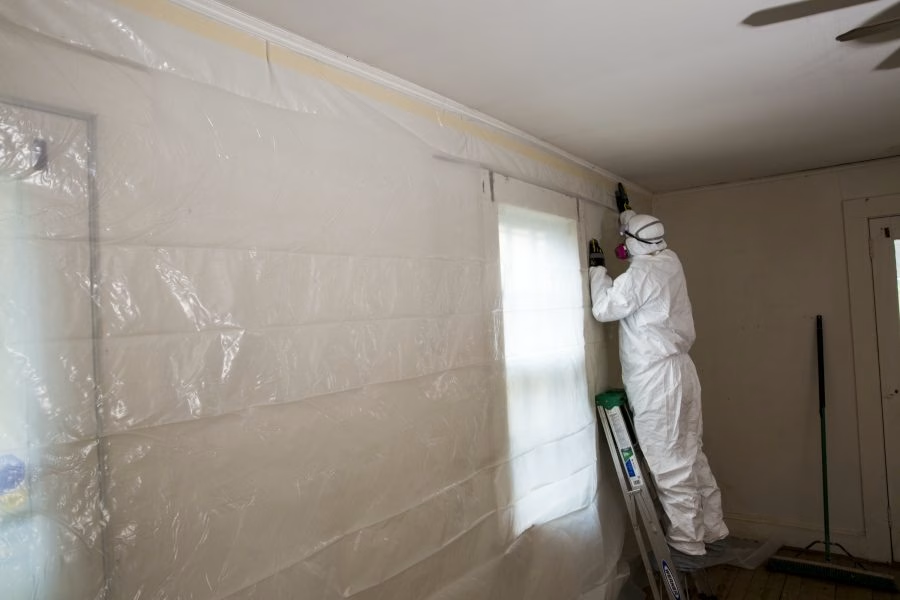
Abatement jobs typically involve working around hazardous or harmful materials – things like mold, asbestos, and potent chemicals. Each of these can easily become airborne while abatement is being done, posing the risk of illness to anyone who breathes in particles. This is where building an airtight containment is crucial!
Professionals in abatement know to protect themselves with personal protective equipment when working on hazardous jobsites to prevent accidental contact with dangerous materials. However, anyone passing by or residing just outside the work zone is unlikely to have any real form of protection against those airborne pathogens. That’s why one of the first tasks that contractors face at the start of an abatement job is to build a barrier. Poly sheeting and tape are used to block off doorways, windows, ductwork and any other openings where air could potentially escape into “clean” areas to contain everything within the work area until the job is done.
For example, during a severe mold abatement job, mold spores are likely to become airborne while the affected area is being cleaned or removed. Porous materials that are affected by mold cannot be cleaned and must be physically removed in order to prevent further growth. However, even when proper practices of safe removal are followed, mold spores in the air can spread and cause severe illness if inhaled. This is why it is critical that your containment tape can withstand the environment and duration of the job. Even the smallest loose area of tape can allow airborne pathogens to escape – leading to illness and, ultimately, lost time and money. Callbacks caused by mold spreading from the original jobsite to previously unexposed areas during the abatement process is costly, and definitely not good for the reputation of your business!
If you are using the traditional two-step method of containment building, be sure to choose a medium to heavy duty masking tape that can withstand the weight of poly sheeting and a duct tape that adheres well to poly and the backing of your masking tape. Always firmly wipe down your tape after application to ensure an airtight bond. The same goes if you are using a double-sided tape – just be sure to apply the side with the painter’s tape adhesive to the wall and press the poly sheeting onto the side with the more aggressive adhesive.
Prep for success by finding the right tapes for your abatement job at Shurtape.com.