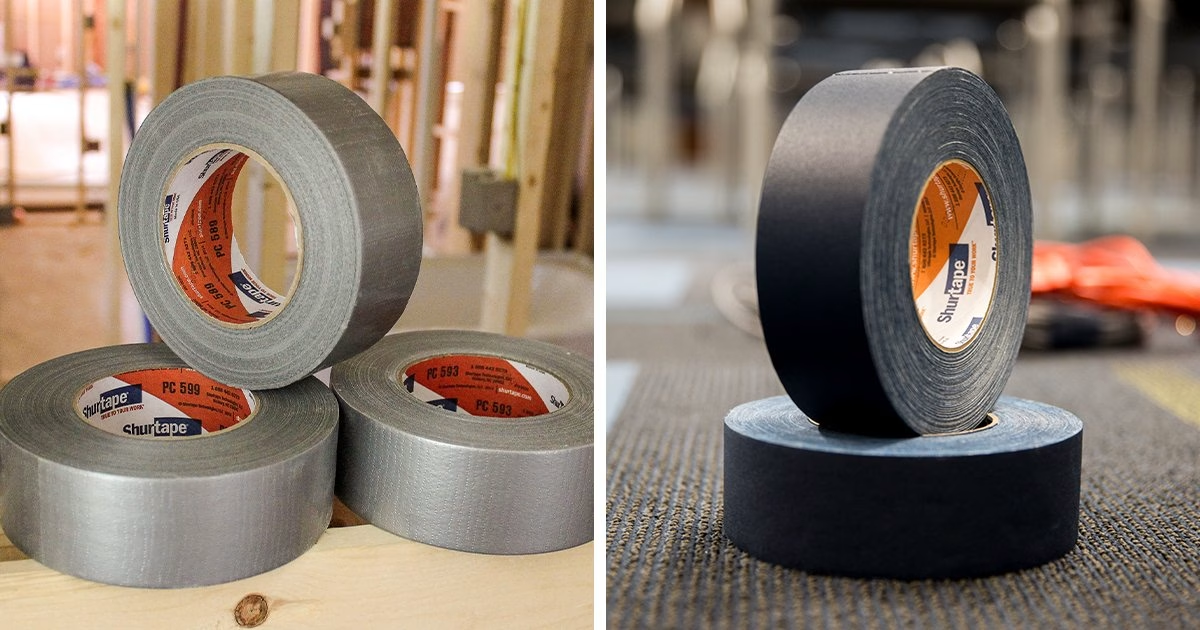
Often times – and to the dismay of tape experts everywhere – these tapes are mistaken for being interchangeable. On the contrary, duct and gaffer’s tapes are constructed differently because they are designed for different purposes, and using one for the intended application of the other often leads to negative results.
Duct tape is constructed with a polyethylene (PE) cloth backing, a material that makes the tape waterproof. It contains an aggressive natural rubber-based adhesion system, allowing it to adhere to a variety of surfaces. Duct tape:
- Has a shiny, reflective backing
- Is for semi-permanent or permanent adhesion applications
- Leaves adhesive residue when removed
These characteristics make duct tape a good choice for making repairs, bundling heavy duty materials, and sealing leaks.
On the other hand, gaffer’s tape is made with a coated cloth backing and a synthetic rubber-based adhesion system. Because it does not have a PE backing, gaffer’s tapes are not waterproof, but the barrier properties in the coated cloth backing does make gaffer’s tape moisture resistant in most cases. This means that while gaffer’s tape is not a good choice for waterproofing applications, it is suitable in humidity and moist environments. The adhesive on gaffer’s tape is less aggressive than its duct tape counterpart, making it a good choice for temporary jobs. Gaffer’s tape also:
- Has a matte backing to prevent light reflection
- Is designed for temporary adhesion applications
- Can be removed cleanly without damage or adhesive residue
Both duct and gaffer’s tape are hand-tearable and conform to uneven surfaces.
If you remember one thing about the difference between duct and gaffer’s tape, remember this: gaffer’s tape removes cleanly, but duct tape does not. Gaffer’s tape is the best choice for the arts and entertainment industry, as it removes from carpets, cables, stages, and other surfaces easily without causing damage or leaving adhesive residue. Duct tape is great for making permanent repairs and waterproofing. Understanding the difference between these two types of tape will prevent frustration and ensure positive results for your application.